
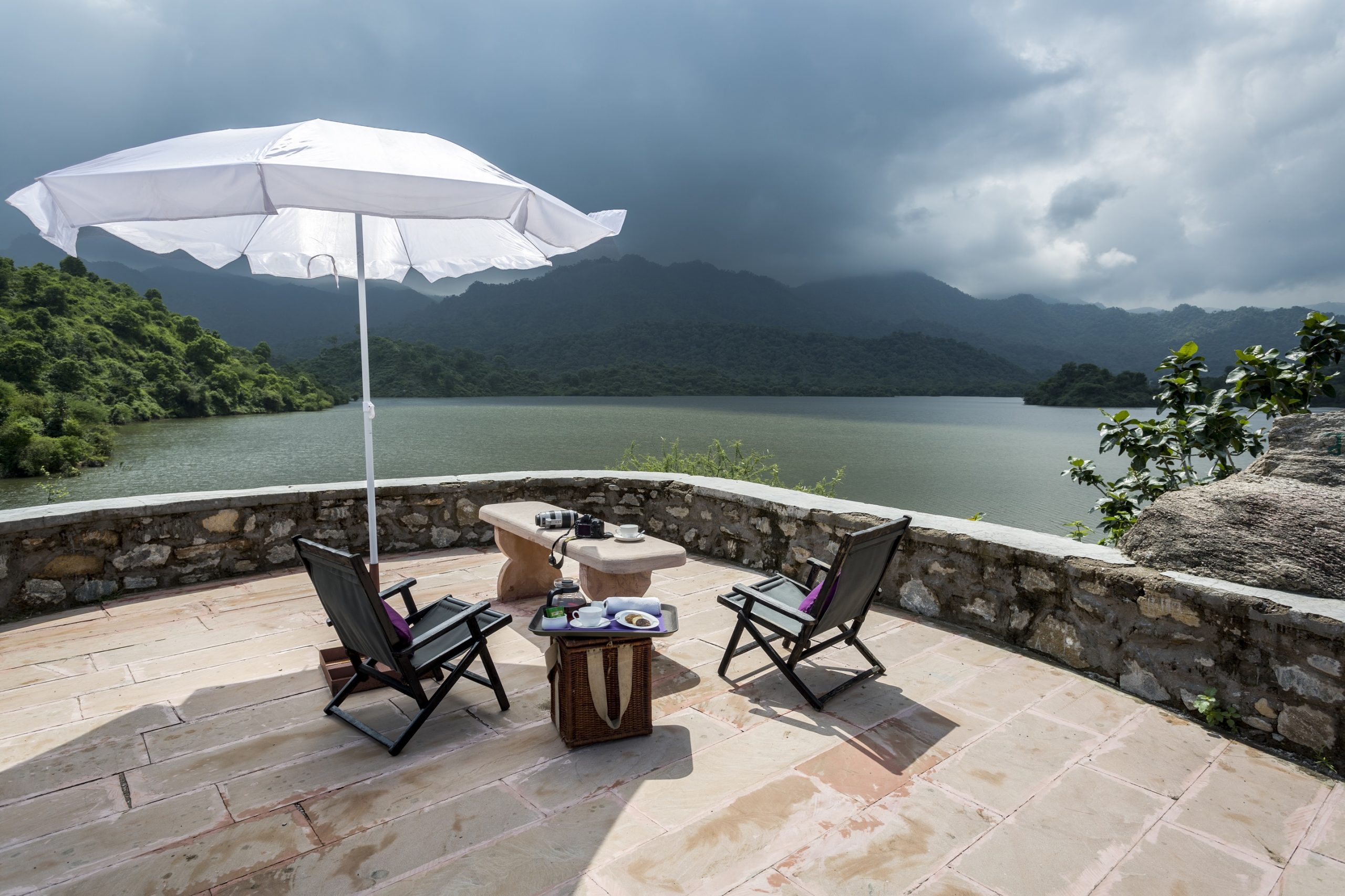
Monsoon travel in Rajasthan is often overlooked. Most travellers picture the state as an endless expanse of golden sand dunes, iconic camel safaris under a blazing sun, and vibrant winter festivals buzzing with energy. While that classic desert Rajasthan is undeniably charming, it tells only half the story.
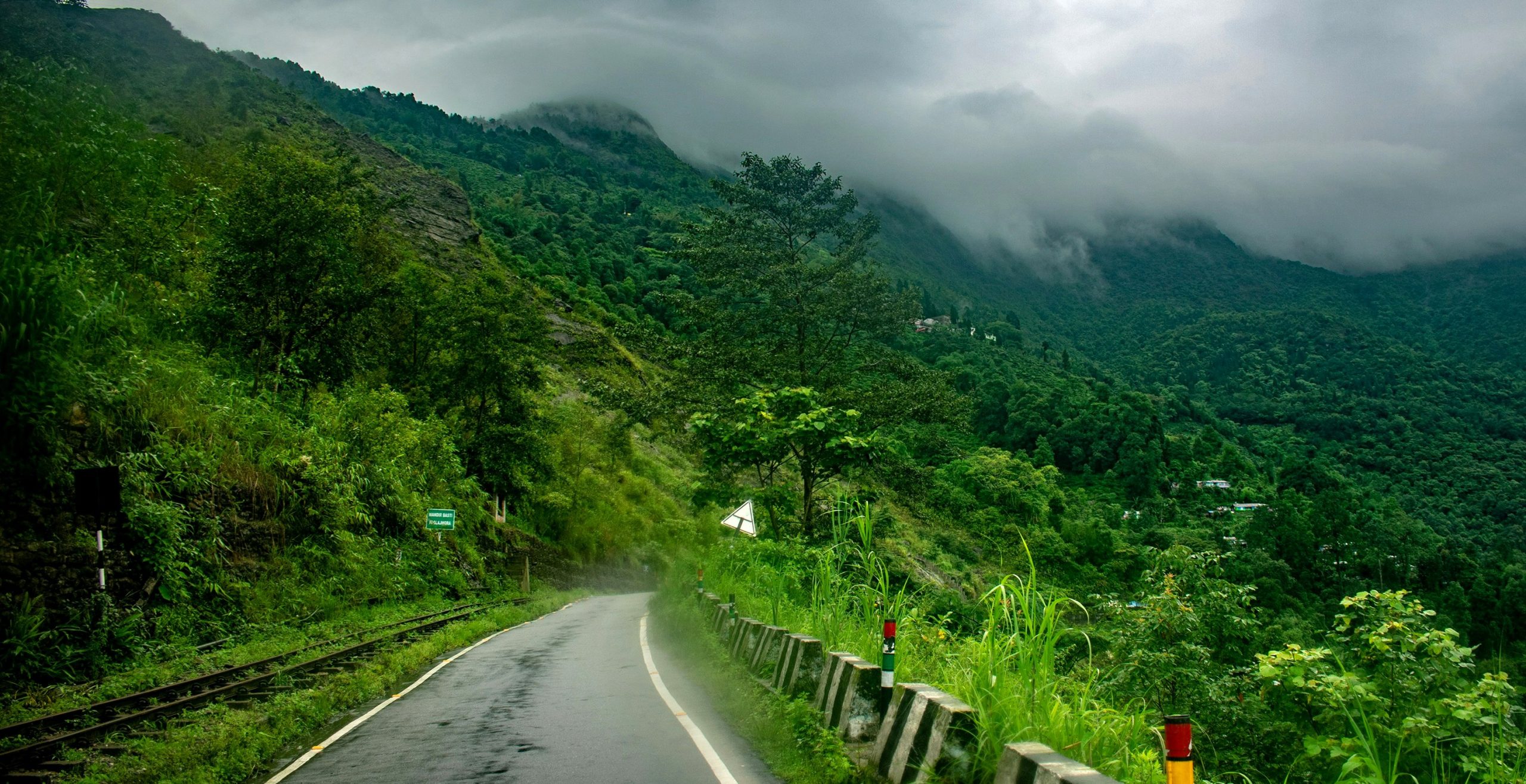
Most travellers flock to the state between October and March, seeking clear skies and comfortable temperatures for exploring forts, palaces, and the Thar. Yet, the forested pockets of Rajasthan-particularly the Aravalli hills around Ranakpur-tell a completely different story during the monsoon (July to September).
In these hilly, wooded regions, the rains do not bring the relentless downpours seen in coastal India. Instead, they transform the landscape into a lush, emerald paradise. The white marble Jain temples of Ranakpur stand out dramatically against vibrant green backdrops, while winding roads through the hills reveal misty valleys and refreshed water bodies. Far from the chaotic peak-season crowds of winter, monsoon travel here offers a quieter, more introspective, and refreshingly green experience. But is it worth? For nature lovers, photographers, and those seeking a slower pace, the answer is a resounding yes.
How Monsoon Transforms Forest Regions of Rajasthan
The Aravalli Range, one of the oldest mountain systems in the world, runs through southern Rajasthan like a green spine. In the dry season, the hills appear rugged and arid, with sparse vegetation and dusty trails. Come monsoon, everything changes.
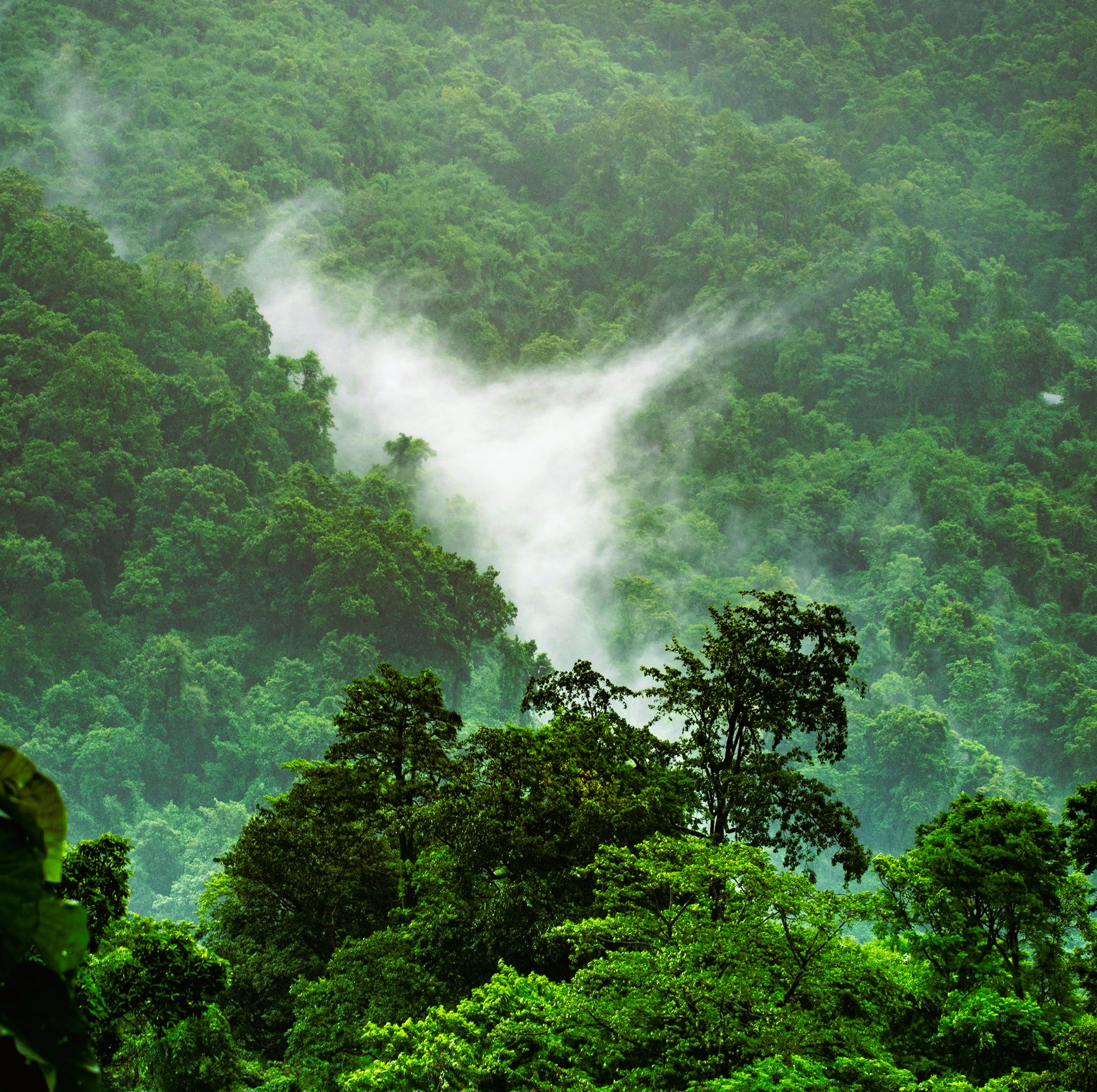
Light but regular rainfall (around 100–165 mm during the season) turns the hills green with fresh grass and plants. Shrubs start to grow, trees become full again, and the air feels fresh with the smell of wet soil after rain. Water bodies like dams and streams, which are dry in summer, fill up and look beautiful with the surrounding greenery. The temperature also drops, giving relief from the intense summer heat.
Ranakpur and its surroundings exemplify this shift. The forested valleys around the famous Jain temple complex turn dramatically verdant, making the intricate marble carvings pop against the lush backdrop. Drives through the Aravallis become scenic journeys past misty hillsides and rain-washed roads, a far cry from the dry, sun-baked vistas of other months. This transformation turns an already beautiful region into something almost magical-serene, alive, and unexpectedly refreshing.
What the Weather Is Actually Like
Many travellers hesitate about monsoon travel due to fears of constant rain disrupting plans. In forest Rajasthan, however, the reality is far more manageable.
The southwest monsoon brings periodic showers rather than all-day deluges. Mornings often start bright and sunny, ideal for sightseeing, while afternoons or evenings may see short, intense bursts of rain-usually lasting no more than an hour. Rainfall remains moderate compared to other parts of India, with the Aravalli region receiving less intense precipitation thanks to its inland location.
Daytime temperatures hover pleasantly between 25°C and 35°C, significantly cooler than the highs of summer. Evenings feel comfortable, with cool breezes and lower humidity than coastal areas. By late August and September, rains taper off, leaving behind clear skies and post-monsoon freshness.
Travel is entirely feasible with minor adjustments. Roads may get slippery during heavy showers, but major routes to Ranakpur, Kumbhalgarh, and nearby spots remain accessible. The key is flexibility-plan indoor activities (like temple visits) for wetter spells and enjoy outdoor exploration when the sun peeks through.
Best Forest Destinations for Monsoon Travel in Rajasthan
Ranakpur
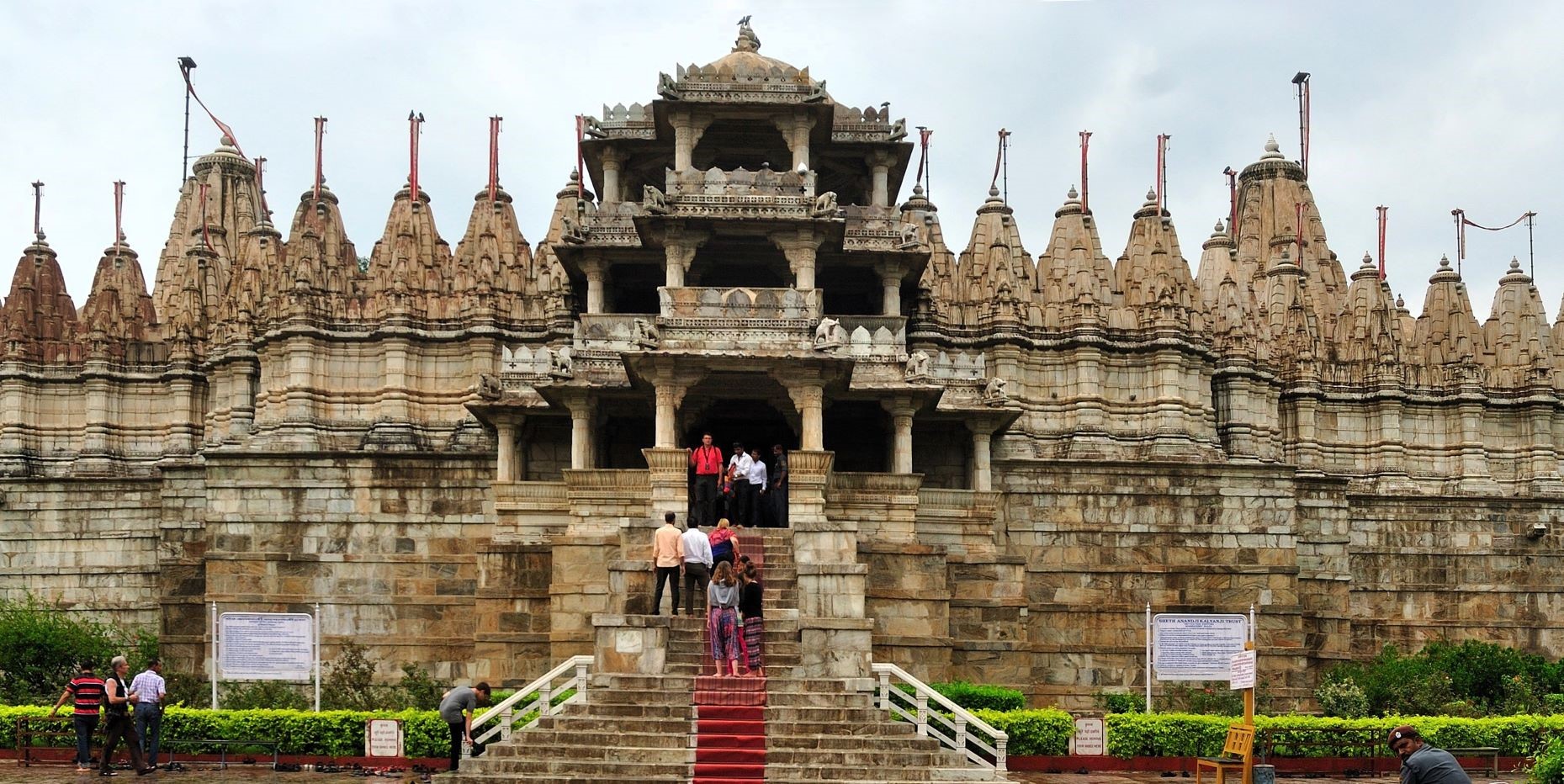
Ranakpur shines brightest in the rains. The iconic Ranakpur Jain Temple, with its uniquely designed 1,444 intricately carved pillars, looks pristine as rains wash the marble to a glowing white. Surrounded by Aravalli forests, the complex feels immersed in nature. The nearby Ranakpur Dam swells with water, offering serene views and peaceful walks along its edges. The lush green jungle sees beautiful migratory birds, crocodile & many more animals. Fewer visitors mean you can soak in the spiritual atmosphere without crowds. Leopard safaris continue (with some adjustments for weather).
Jawai
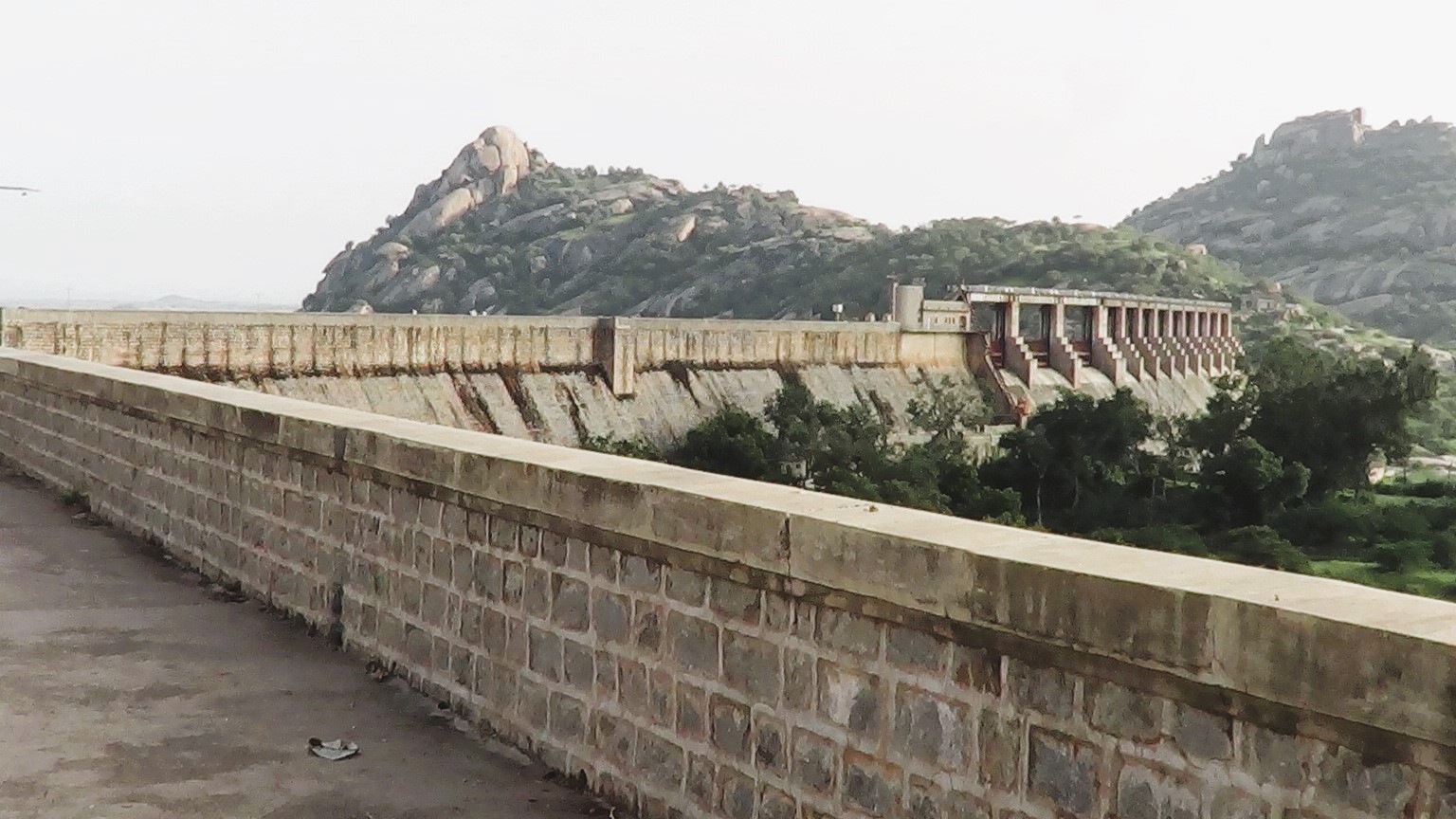
Known for its leopard population and granite hills, Jawai undergoes a stunning makeover in monsoon. The arid landscape turns into a lush green paradise, with shrubs blooming and grass carpeting the ground. The Jawai Dam fills up, creating mirror-like reflections of cloudy skies. Safaris are little restricted in that region but the overall vibe feels wilder and more vibrant, with increased bird activity around water sources.
Kumbhalgarh
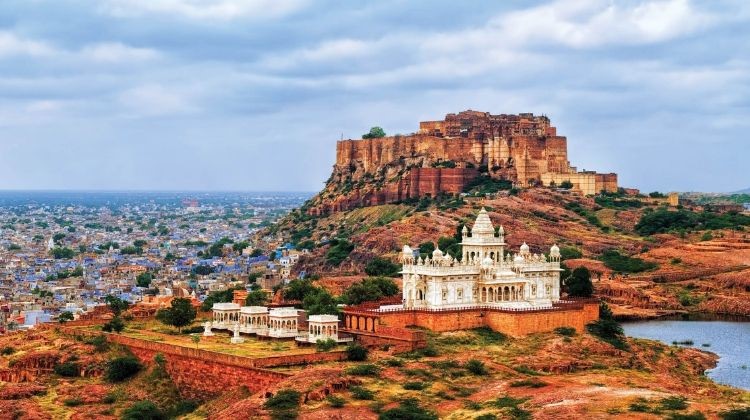
The massive Kumbhalgarh Fort, a UNESCO site, perched on the Aravallis, offers panoramic views that become even more dramatic with mist and greenery. The surrounding Kumbhalgarh Wildlife Sanctuary bursts with life-lush forests, blooming wildflowers, and active wildlife. Jungle safaris here provide a refreshing contrast to dry-season visits, with cooler temperatures making treks and drives more enjoyable.
Mount Abu
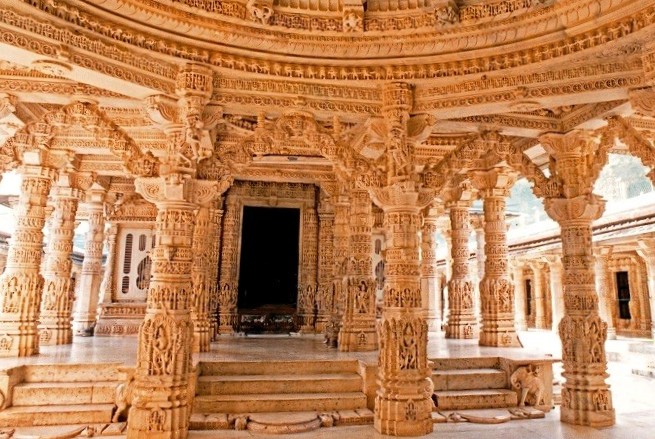
Rajasthan’s only hill station, Mount Abu, feels like a monsoon retreat. Nakki Lake and the surrounding hills turn misty and green, with scenic roads winding through dense forests. The famous Dilwara Jain Temples provide cool, artistic respite, while boating or walks around the lake gain a romantic, atmospheric quality. Temperatures stay pleasantly mild & cooler, making it a perfect escape.
Experiences That Work Especially Well During the Monsoon
Monsoon enhances several signature experiences in forest Rajasthan:
- Nature walks and scenic drives: Winding Aravalli roads reveal fresh vistas at every turn-misty hills, rainbows after showers, and vibrant foliage. Drives between Ranakpur and Kumbhalgarh feel cinematic.
- Temple visits: The Ranakpur Jain Temple and Dilwara Temples in Mount Abu offer peaceful exploration without winter crowds. Rain-washed marble gleams beautifully.
- Ranakpur Dam and water bodies: Swollen reservoirs create picturesque spots for photography, picnics (on clearer days), and relaxed contemplation.
- Rural and village experiences: Interactions with locals, camel sightings in greener settings, or visits to nearby villages like Sadri or Narlai feel more atmospheric, with the countryside alive after rains.
- Photography: Lush greens against white architecture, dramatic clouds, and post-rain light make this season a dream for shutterbugs.
These activities slow down naturally, encouraging mindful travel over rushed itineraries.
Wildlife and Nature During the Monsoon
Wildlife viewing in monsoon differs from the dry season. In places like Kumbhalgarh Wildlife Sanctuary and around Jawai, guaranteed big-cat sightings become less predictable as animals disperse with abundant water and food sources. However, the broader nature experience compensates richly.
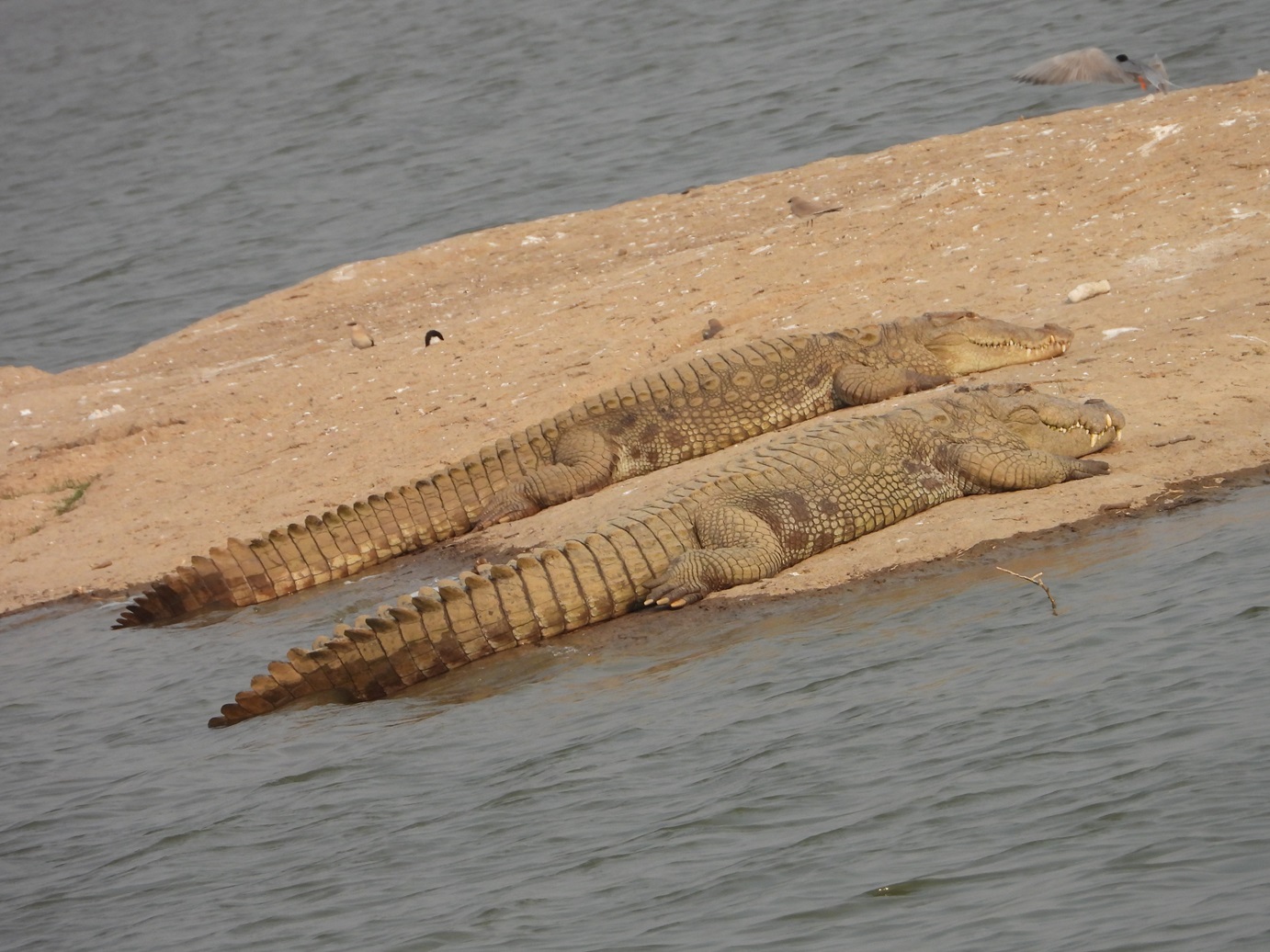
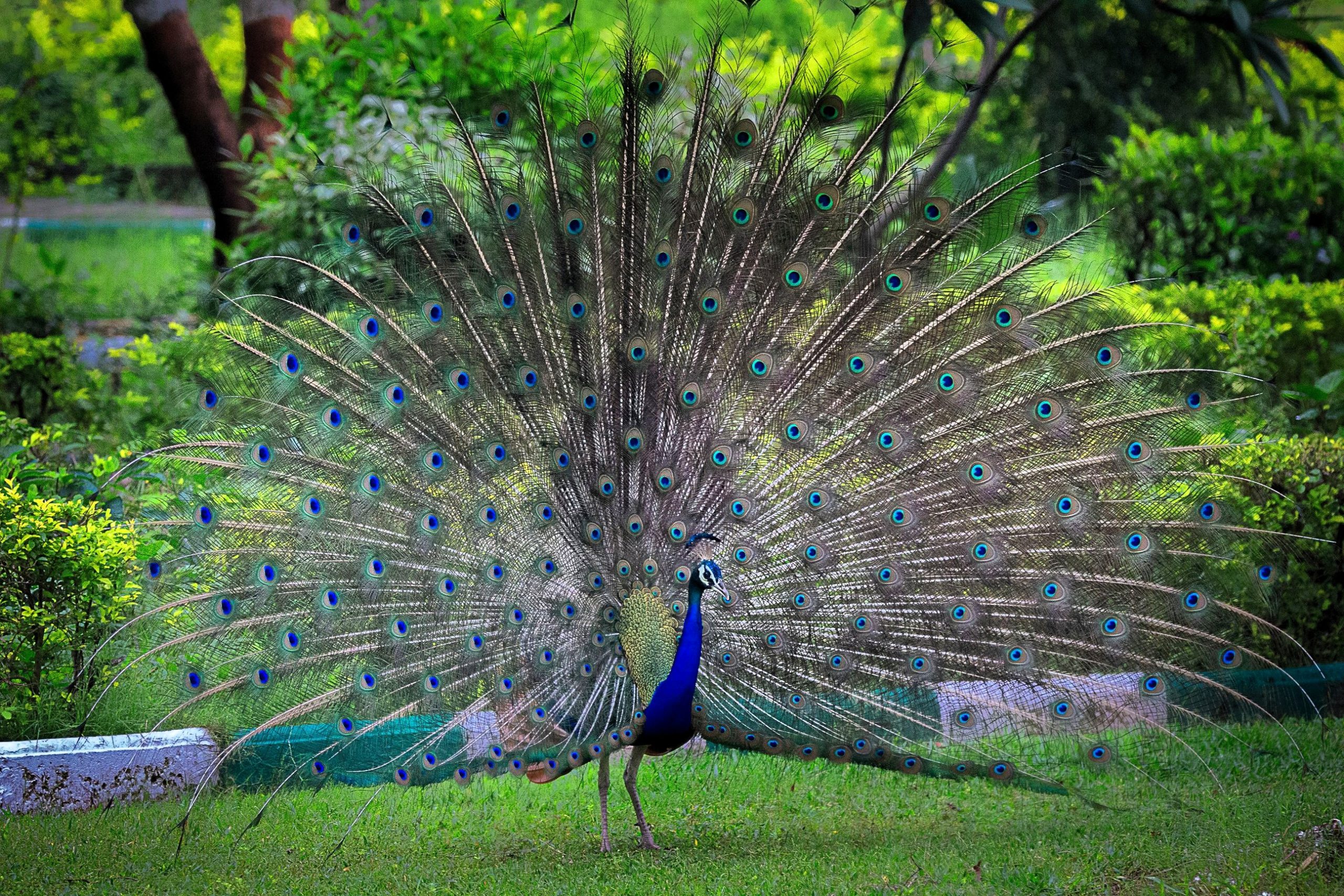
Forests buzz with activity: birds sing more vigorously, smaller mammals and reptiles emerge, and vegetation explodes with life. You might spot deer, wild boars, or colourful birds more easily amid the greenery. Crocodiles in Jawai’s dam area remain visible, while the overall ecosystem feels rejuvenated. Safaris and walks emphasize the forest’s vitality rather than trophy sightings-think lush canopies, blooming flowers, and the sounds of rain on leaves.
For those who appreciate ecology over checklists, this season reveals Rajasthan’s forested side in full bloom.
Advantages of Travelling in the Monsoon
The biggest draws are the reduced crowds and slower pace. Popular sites like Ranakpur temples see far fewer visitors, allowing unhurried appreciation of their beauty. Hotels and experiences often come at lower rates, making luxury stays more accessible.
You experience a “secret” Rajasthan-lush and unexpected-far removed from the desert stereotype. Peaceful exploration of heritage sites, fresher air, and the joy of rain-washed landscapes create memorable, authentic moments. Festivals like Teej (in some areas) add cultural colour without overwhelming tourism.
Things Travellers Should Keep in Mind
Monsoon travel requires practical preparation:
- Flexible planning: Build buffer time into schedules. Afternoon showers may delay outdoor plans.
- Rain protection: Carry lightweight raincoats, umbrellas, and quick-dry clothing. Waterproof bags for electronics and cameras are essential.
- Footwear and clothing: Comfortable, grippy shoes suit wet trails and temple floors. Modest attire is needed for religious sites (some provide coverings).
- Health and safety: Stay hydrated, use insect repellent in forested areas, and check road conditions. Drive cautiously on wet hills.
- Bookings: Confirm safari or activity availability, as some operators adjust for weather.
With these tweaks, disruptions remain minimal.
Who Will Enjoy Monsoon Travel the Most
This season suits travellers who value quality over quantity. Nature enthusiasts and photographers will revel in the lush palettes and dramatic light. Couples seeking romantic, relaxed getaways will appreciate the serenity and scenic drives. Solo travellers or small groups wanting authentic, crowd-free experiences fit perfectly. Families or first-timers preferring milder adventure over peak-season hustle may also enjoy it.
If you crave solitude, greener vistas, and a different rhythm of travel, monsoon in forest Rajasthan will delight you. Those needing guaranteed sunshine or high-adrenaline wildlife spotting might prefer winter.
Planning a Monsoon Trip to Ranakpur?
If you are considering a monsoon getaway to Ranakpur, Jawai, or Kumbhalgarh, it is advisable to plan with the right local support. From selecting the right stay to planning weather-friendly itineraries, local expertise can significantly enhance the experience.
Conclusion
Monsoon travel in forest Rajasthan challenges the state’s desert image and rewards those willing to look closer. Destinations like Ranakpur transform into calmer, greener havens where marble temples glow against vibrant Aravalli hills, water bodies come alive, and the pace slows to let nature take centre stage.
It is not about enduring rain but embracing a refreshed, atmospheric Rajasthan that most visitors never see. For photographers capturing misty mornings, couples strolling rain-kissed paths, or anyone seeking peaceful connection with heritage and wilderness, the season proves more than worthwhile. If you appreciate slower travel, unexpected beauty, and Rajasthan beyond the postcards, pack that light raincoat and head to the forests of the Aravallis. The monsoon magic here offers a distinctly different and often more peaceful way to experience Rajasthan.