
Every August, something predictable happens across India. A long weekend appears on the calendar – Independence Day, Janmashtami – and within hours, the highways fill up, hotel rates double, and the tourist spots that were already crowded become genuinely difficult to move through. Most people still go. Most people still complain about it afterward.
The problem isn’t that they travelled. The problem is where they went. Long weekends don’t ruin travel. Choosing destinations that can’t absorb the surge does. This is the difference between returning home feeling refreshed and returning home needing a day to recover. Getting that choice right matters more than any amount of planning around timing or traffic.
The Reality of Long Weekend Travel in India
Somewhere between the first coffee and the motorway, the mood shifts.
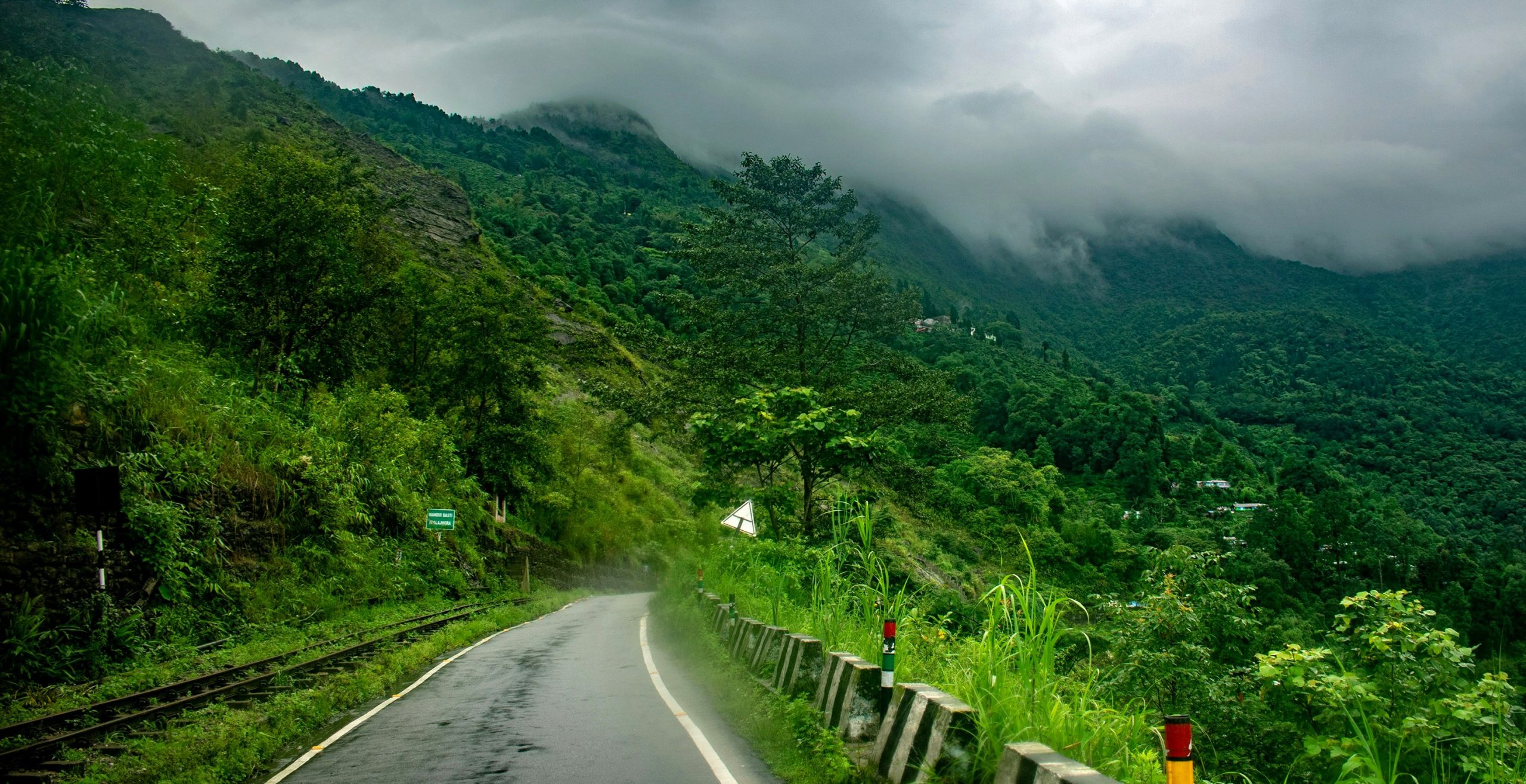
The drive that was supposed to take four hours stretches into six, sometimes seven. Vehicles merge into single lanes at toll plazas. Dhabas that are usually empty have queues. You arrive later than planned, which compresses whatever you had in mind for the first evening.
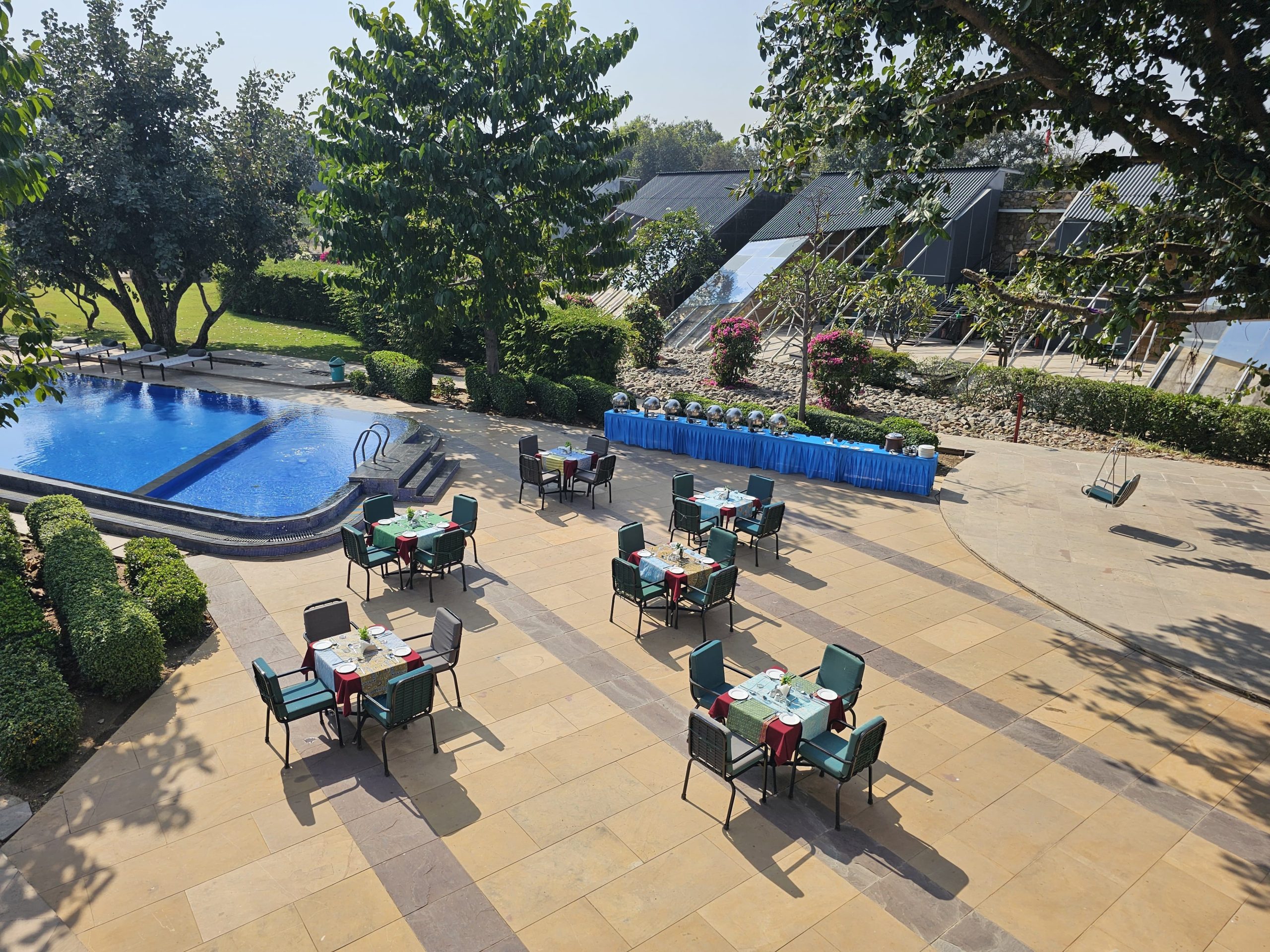
At the destination itself, the pattern continues. Popular viewpoints have waiting areas now. Restaurants are running on a fixed menu. The hotels are booked months in advance because rates were already climbing – is operating at full capacity with service stretched accordingly. Every activity that needs a booking is already full. The ones that don’t need a booking are crowded enough that they don’t feel worth doing.
None of this is anyone’s fault exactly. It’s simply what happens when a large number of people move toward the same places at the same time. Surge pricing on accommodations, fuel costs on highways, and a rushed itinerary that tries to fit three days of experiences into two – this is the arithmetic of popular long weekend travel in India.
Why Most Destinations Feel Overwhelming
The instinct during long weekends is to go somewhere well-known. It makes sense: these places are known because they’re worth visiting, and a holiday feels like the right time to visit them.
But well-known destinations are built for a certain volume of visitors. Add fifty percent more footfall over a three-day window and the infrastructure – roads, parking, ticketing, hospitality – simply doesn’t scale. What was a pleasant, unhurried experience at normal capacity becomes a managed, somewhat joyless queue at peak capacity.
The issue isn’t the destination. It’s the concentration. When most people are heading to the same ten places over the same three days, those places stop feeling like escapes and start feeling like extensions of the city you left.
What Makes a Good Long Weekend Destination
A destination that works well for a long weekend has a few qualities that rarely appear in travel listicles.
The first is distance. A three-day window doesn’t leave room for long transit on both ends. A place that’s five to six hours away by road – close enough to arrive without the day being lost – is more practical than somewhere that needs a flight and an airport buffer.
The second is spread. If everything worth doing is concentrated in one square kilometre, crowds become unavoidable. Destinations where experiences are distributed – where a forest, a heritage site, a reservoir, a village, and a landscape view are all within thirty to forty minutes of each other – allow movement to feel voluntary rather than forced.
The third quality is independence from a single attraction. If a destination is built entirely around one famous site, that site will be at capacity. But if there’s genuine depth to the surrounding area, you’re not dependent on that one place to have a good trip. You can choose your own pace, revisit what you liked, and skip what feels too busy.
The fourth – perhaps the most undervalued – is the ability to rest. A good long weekend destination should allow you to do nothing on one of the three days without feeling like you’ve wasted it. That requires a place that’s interesting enough to warrant the drive but calm enough that sitting still doesn’t feel wrong.
A Different Kind of Rajasthan Experience
Most people’s mental image of Rajasthan involves forts that take half a day to explore, lakes ringed with hotels, and city centres that hum with traffic and vendors. That Rajasthan is real, and it’s worth experiencing. But it’s not the only one.
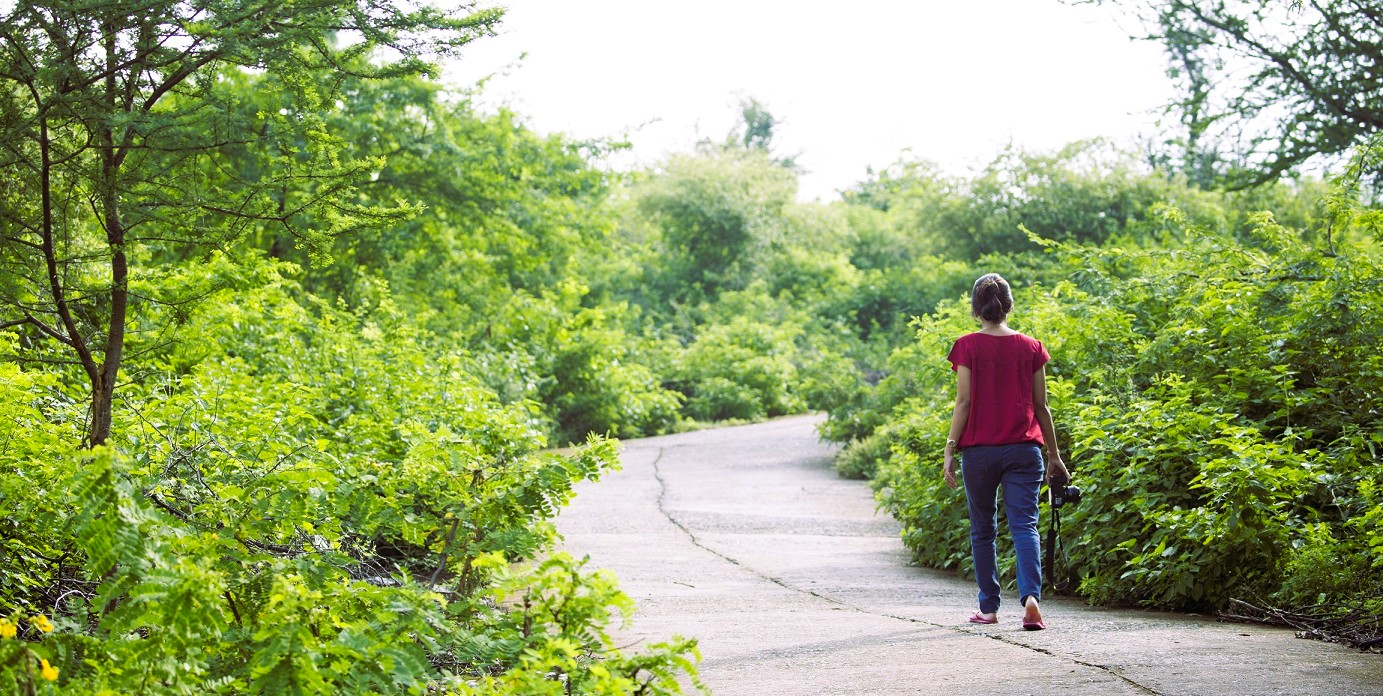
The Aravalli range – particularly the southern stretch that runs through Pali district – is a quieter version of the state. The landscape here doesn’t announce itself. It doesn’t need to. Forested ridges, narrow valleys, small water bodies, and the occasional ancient structure appear without signage or a visitor centre attached. There are far fewer people, partly because there’s no single iconic photograph that draws everyone to the same spot.
The pace is different too. There’s no pressure to see everything before closing time, no sense that you’re moving through a checklist. The days here tend to organise themselves around how you feel rather than around a printed itinerary.
This is the context in which Ranakpur sits – not as a remote destination, but as a place that holds this particular quality of Rajasthan without requiring you to bypass the more famous parts entirely.
Why Ranakpur Works Well for Long Weekends
Ranakpur is accessible without being obvious, which is a genuinely rare combination.
From Ahmedabad, the drive is around five hours. From Udaipur, under two. From Jodhpur, roughly three. For travellers coming from Delhi or Gurugram, it’s a longer road journey – around nine to ten hours – but the train to Falna, followed by a short drive, makes it manageable. It sits at a convergence point for travellers from Gujarat, Rajasthan, Madhya Pradesh, and the NCR, which means it rarely feels like anyone’s default choice, even though it’s reachable for nearly everyone.
What makes it particularly suited to long weekends is that the experiences around it aren’t stacked on top of each other. There’s no need to be anywhere at a specific hour or compete for parking at a single entrance. The temple is best in the early morning when it’s quiet; the Kumbhalgarh fort is an hour away and unhurried on a weekday afternoon; the Jawai reservoir and its leopard habitat are accessible without an advance booking war. Even the simpler things – a drive through the Aravalli forest, a camel outing through farmland, time near the water – feel like things you chose rather than things you queued for.
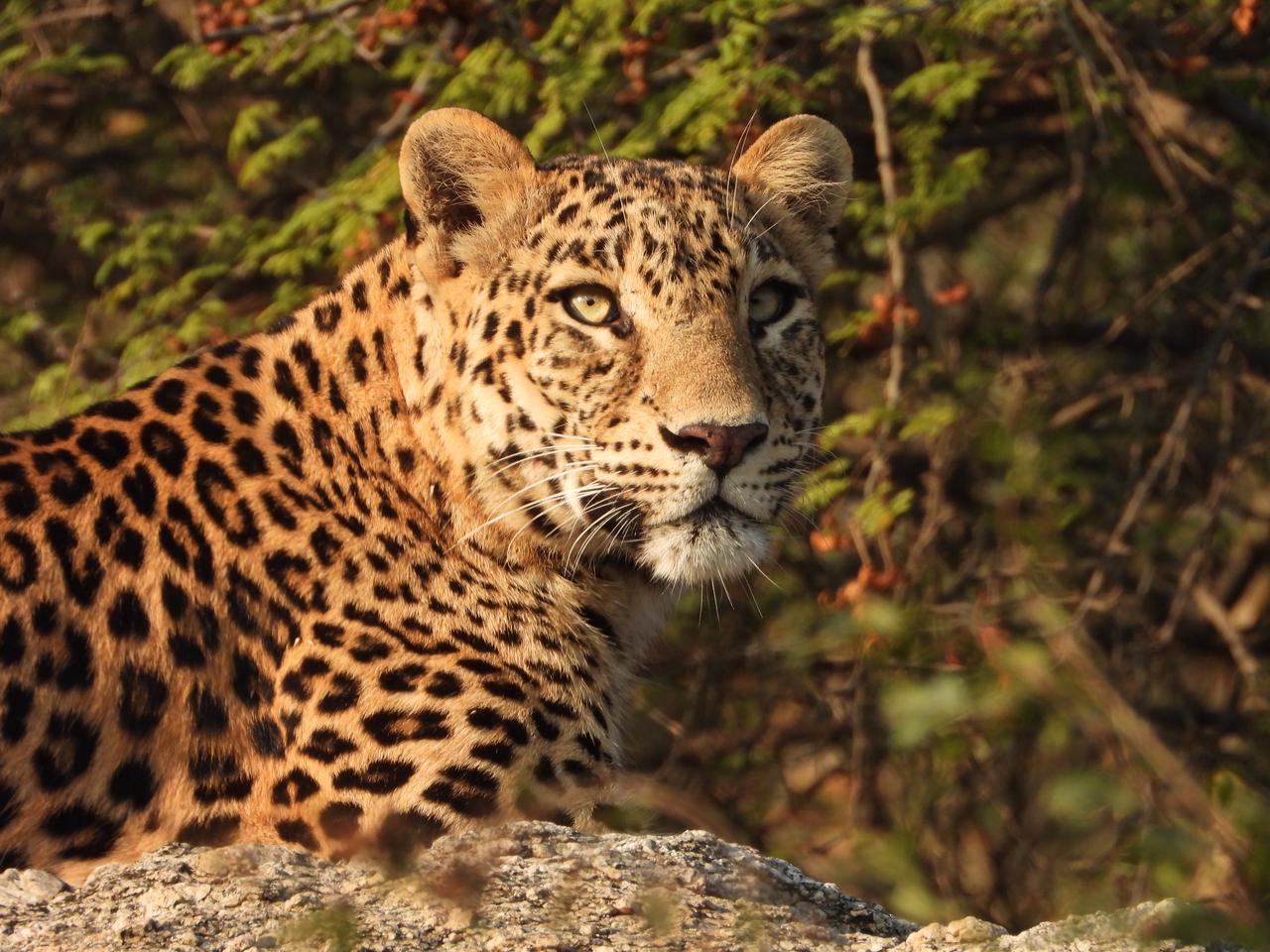
The result is that you can plan loosely and still have a full trip. If one day is slower, nothing is lost. If someone in the group wants to stay back at the property while others go out, that’s genuinely an option. The geography here supports a flexible approach in a way that tight, high-density tourist corridors simply don’t.
What a Relaxed Long Weekend Here Actually Feels Like
The first morning tends to set the tone for the rest.
You wake up to something quieter than you’re used to – less ambient sound, more natural light. Breakfast isn’t rushed. There’s no checkout anxiety, no early departure to beat traffic to a site. If the plan is to visit the Ranakpur temple, you leave when the morning is still cool and the light is still soft, and you walk through one of the most intricately carved Jain temples in the world without navigating a crowd. That experience – the geometry of the marble pillars, the filtered light, the relative stillness – lands differently when you have space to take it in. The afternoon might involve a drive. Not toward anything specific, but through the kind of landscape that makes you glad you left the city. The Aravalli forest in monsoon and post-monsoon is green in a way that feels incongruous with the Rajasthan most people picture. There are hills, there are roadside streams, and there’s a quality of light in the late afternoon that makes everything look considered.
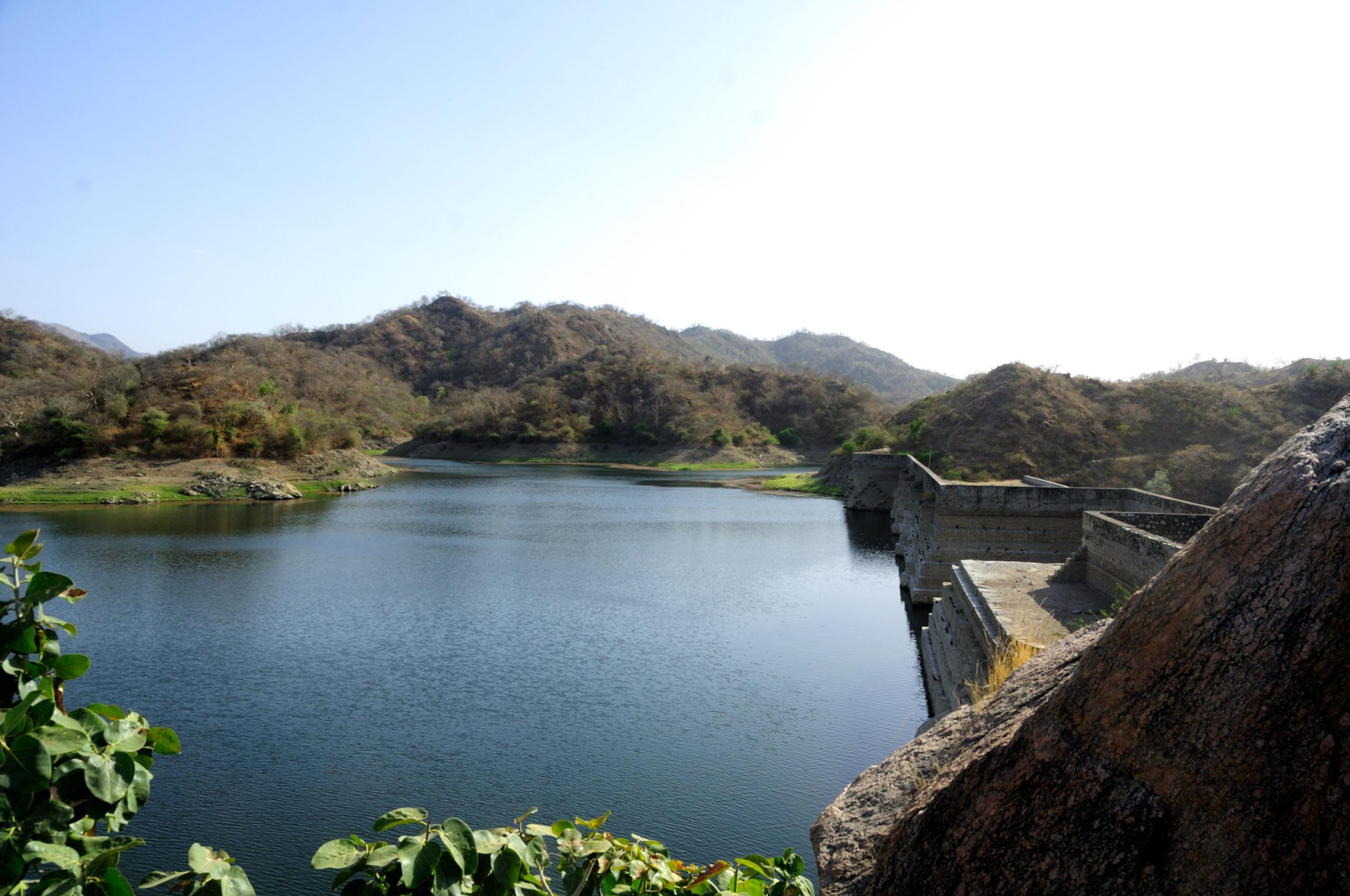
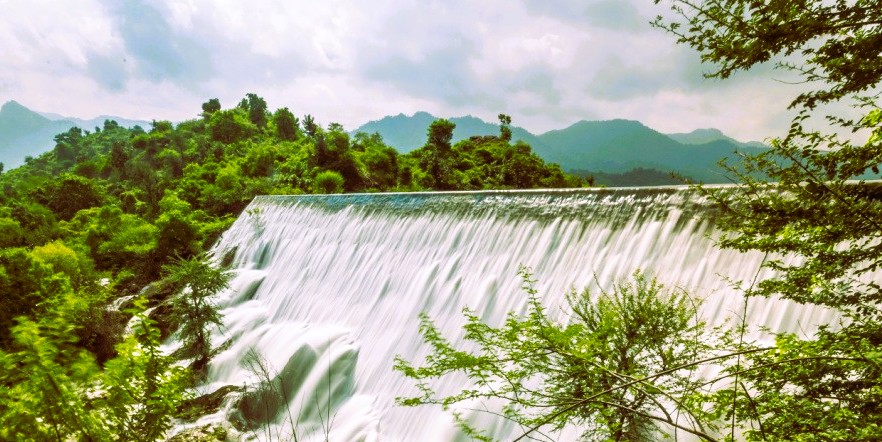
An evening near the Jawai Dam – watching the reservoir in the fading light, with the granite boulders rising behind it and the occasional raptor overhead – doesn’t require a tour operator or a specific schedule. You go, you sit with it, you come back.
The second day might involve Kumbhalgarh. That drive alone – through a wildlife sanctuary – is worth the trip. The fort itself is large enough that even on a busier day it doesn’t feel congested. You walk the wall, look out over the Aravalli range, and have lunch somewhere simple on the way back.
The third day tends to be the easy one. A late morning, perhaps a camel ride through the surrounding farmland just to do something unhurried, and an afternoon that gradually becomes the drive home – but without urgency, because the route back is itself pleasant and the roads are calmer than they were on arrival.
Nothing about those three days required a tight schedule or a backup plan. The experiences here have enough breathing room that things can go slightly differently from what you planned and it still works out.
Best Long Weekend Occasions to Plan This Trip
Independence Day and Janmashtami are the two August occasions that reliably create travel pressure across India. Both fall at times when the roads are congested, the popular hill stations are at capacity, and coastal destinations are still managing the tail end of monsoon conditions.
The argument for Ranakpur during these windows isn’t that it’s undiscovered – it has its own visitors – but that the volume never reaches the point where the experience degrades. The infrastructure here isn’t straining under the load. You can still get a table, a parking spot, and a quiet hour at a heritage site on a national holiday.
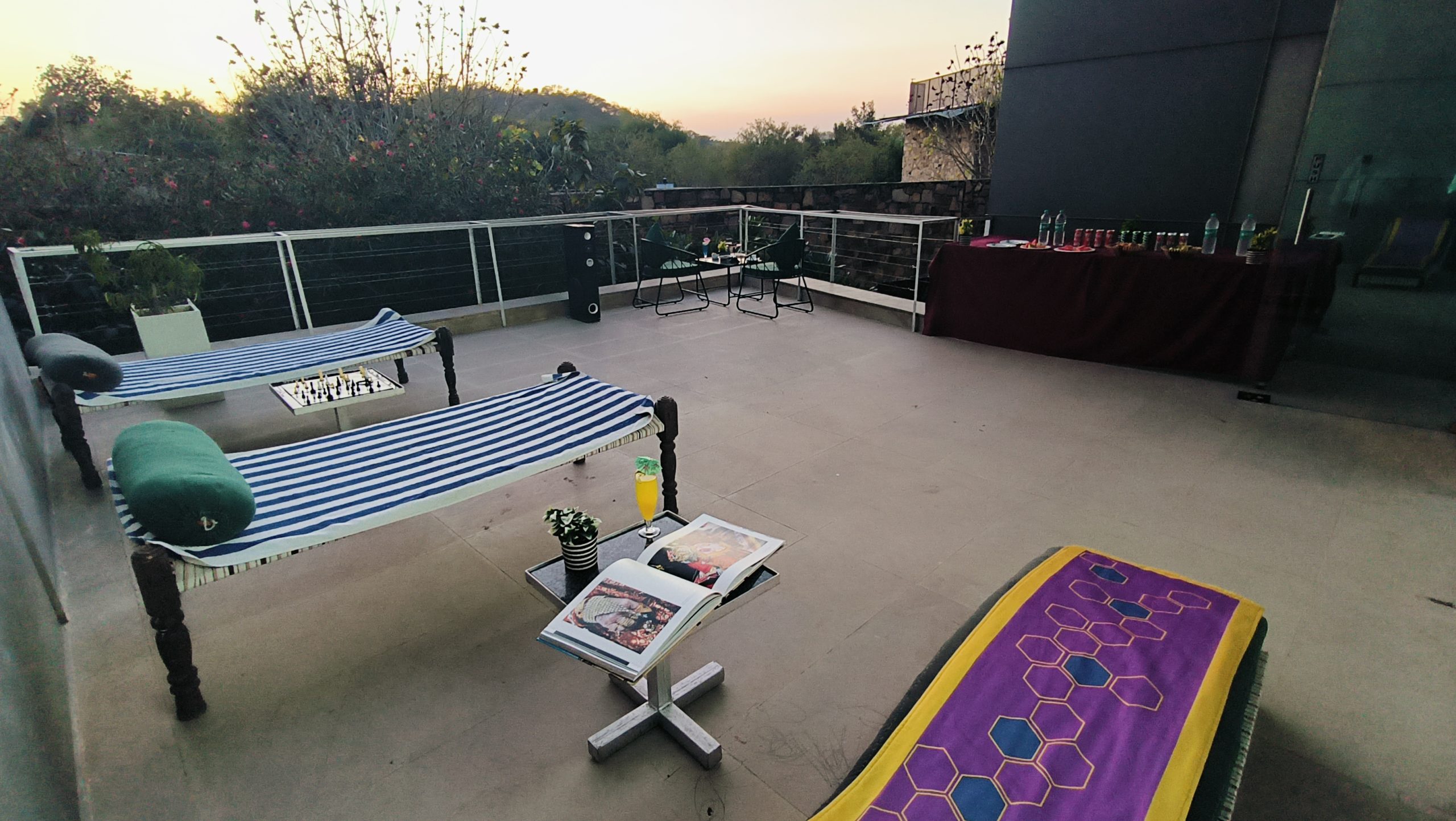
There’s also something appropriate about spending Independence Day or Janmashtami in a landscape that feels genuinely Indian without the commercial overlay that tends to accumulate around heavily touristed places. The Aravallis have their own unhurried character, and both occasions take on a different quality when you’re in a place that’s calm enough to actually mark them.
Who This Trip Is Best For
Families with children tend to benefit most from destinations where not every hour has to be accounted for. Ranakpur gives kids space – literally and in terms of the itinerary. A safari, a heritage walk, a drive through a forest, time near water – these are experiences that land well across ages without requiring the adult portion of the group to compromise entirely on what they want to do.
Couples looking for something relaxed rather than structured will find that the region supports that well. The pace is unhurried, the landscapes are beautiful without being performative about it, and there’s enough to do that two people won’t run out of ways to spend the days – but not so much that the trip starts to feel like a project.
Small groups of 4 to 8 people – tend to travel here with fewer logistical headaches than they’d face in a high-density tourist destination. There’s room to spread out, options to split up and reconvene, and enough flexibility in the itinerary that different preferences within the group can be accommodated without negotiation.
Conclusion
Long weekends have a tendency to deliver less than they promise because of a mismatch between the destination and the moment. The most memorable places in India – the ones with the most visible heritage, the most dramatic settings, the most famous landmarks – are also the ones that feel most different from themselves when they’re at capacity.
The version of a holiday that actually restores you is the one where you came back having spent your time well rather than having navigated it. Ranakpur, and the Aravalli region around it, offers that version of a Rajasthan trip. Not because it’s lesser, but because it’s quieter, more spread out, and built for the kind of experience that a long weekend can actually deliver – if you choose the destination that makes it possible.
Useful Links
Things to Do in Ranakpur Beyond the Jain Temple