
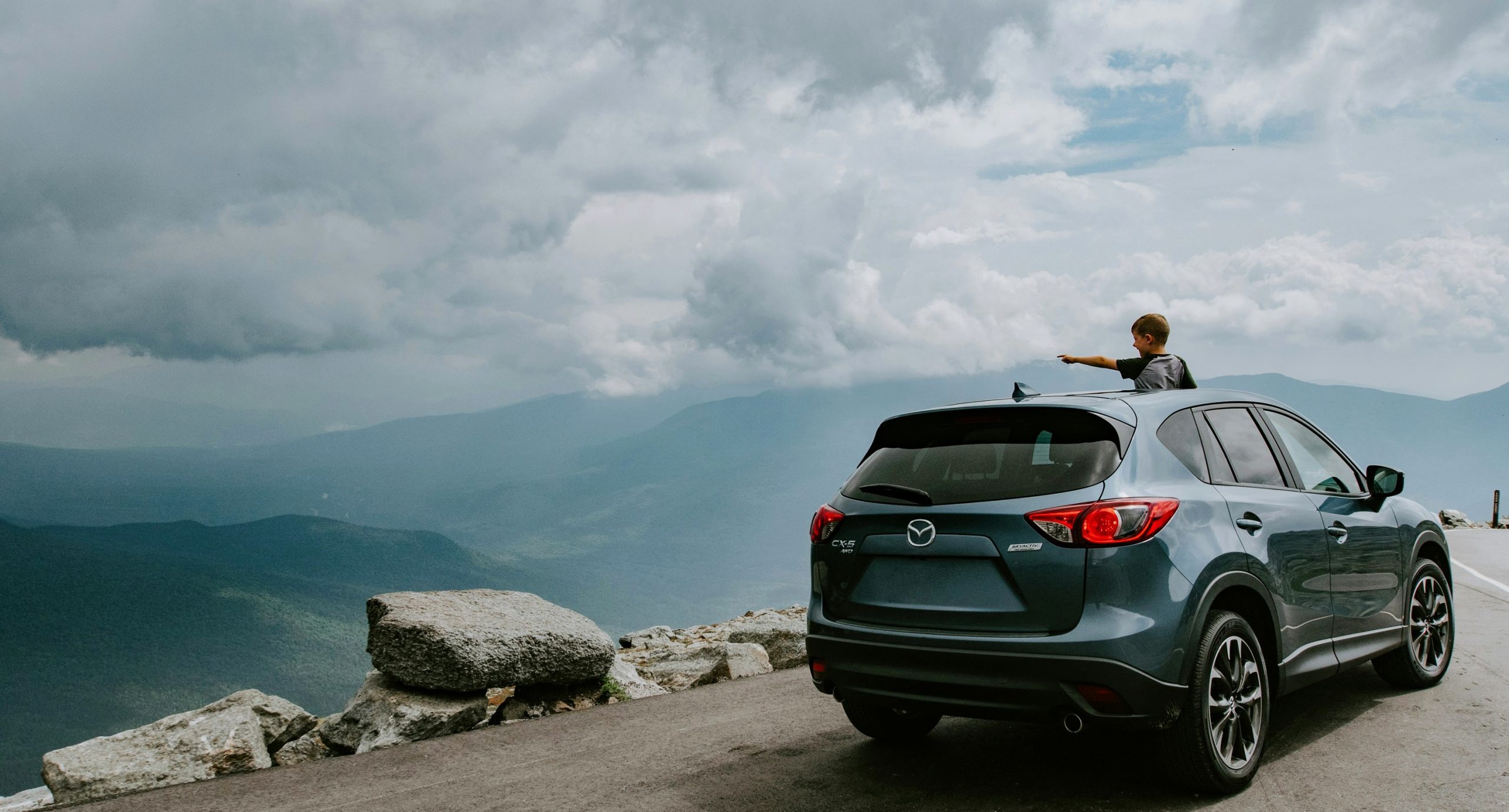
For many travellers from NCR, the idea of a road trip has started changing in recent years. Short weekend loops to nearby hill stations often come with long traffic jams, crowded markets, and very little sense of real escape. As highways improve across North and Western India, more people are now looking at longer drives that feel meaningful rather than repetitive, and that actually go somewhere worth arriving at.
That is where Ranakpur quietly stands apart. Tucked into the Aravalli range in Rajasthan, it sits far enough from the chaos of NCR to feel like a genuine change of pace. New highway infrastructure has made reaching it far more realistic than it once seemed. With the right approach specifically, splitting the journey into two comfortable legs, this becomes a road trip that rewards the effort at every stage, and the journey itself becomes part of the experience.
Is Delhi to Ranakpur a Practical Road Trip?
Ranakpur is around 700 to 800 kilometres from Gurugram, with most travellers clocking between 10 and 12 hours of driving. That number tends to discourage people at first glance, and understandably so.
But distance alone does not determine whether a road trip is manageable. Drivers who attempt it in one stretch often find it exhausting. Those who plan a midway stop find the same distance entirely comfortable.
The Delhi–Jaipur expressway and highways beyond are well-developed and predictable. No special vehicle or off-road experience is needed.
The key is not speed. The key is pacing – and approaching this as a relaxed 3 to 4 day journey changes everything.
Route Overview – What to Expect on the Drive
The most commonly preferred route from Gurugram broadly follows this direction: Delhi NCR to Jaipur, Ajmer, Beawar, Pali and to Ranakpur.
The early portion toward Jaipur is well-developed. The expressway allows for smooth progress through flat, open landscape. Beyond Jaipur, the road remains reliable but the character of the drive begins to shift – traffic patterns become more regional, the terrain gradually changes, and the pace naturally slows.
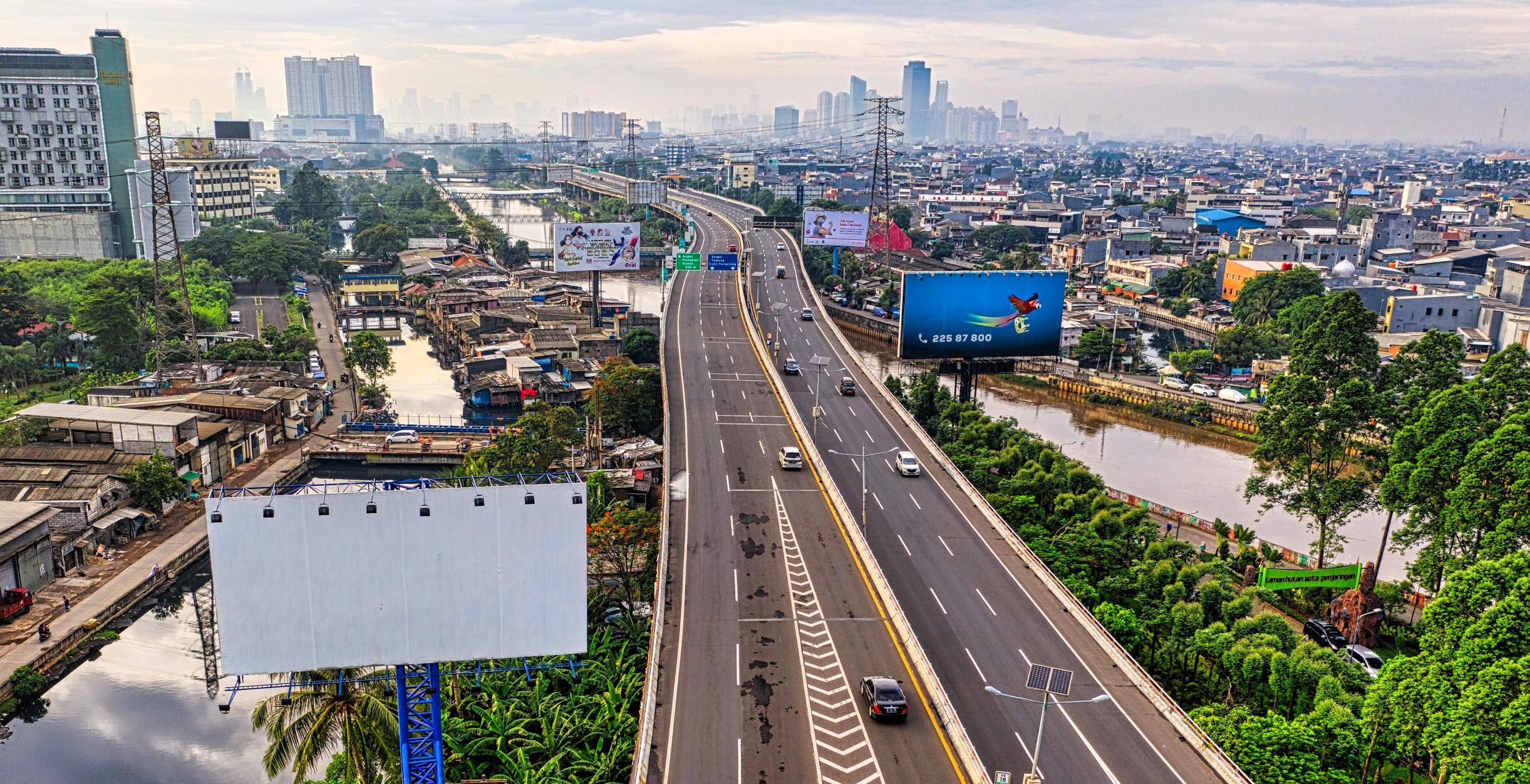
Fuel and food are consistently available through the Jaipur, Ajmer, and Beawar belt. Beyond Pali, services thin out, so it is worth topping up the tank and eating well before the final approach to Ranakpur.
As the journey moves deeper into Rajasthan, traffic gradually lightens. The atmosphere shifts from busy commercial highway movement to quieter regional roads. The surroundings become less familiar, the air feels different, and the drive starts taking on a character of its own. That gradual transition is one of the most enjoyable aspects of the entire journey.
Breaking the Journey into 2 Comfortable Legs
This is the planning decision that makes or breaks the trip.
Trying to complete the entire Delhi to Ranakpur drive in one continuous stretch may technically be possible for some drivers, but it is rarely the right approach for many others. Long highway driving leads to fatigue, reduced alertness, and unnecessary stress especially when travelling with family or a group. Arriving exhausted at a destination that deserves a clear head is a poor trade.
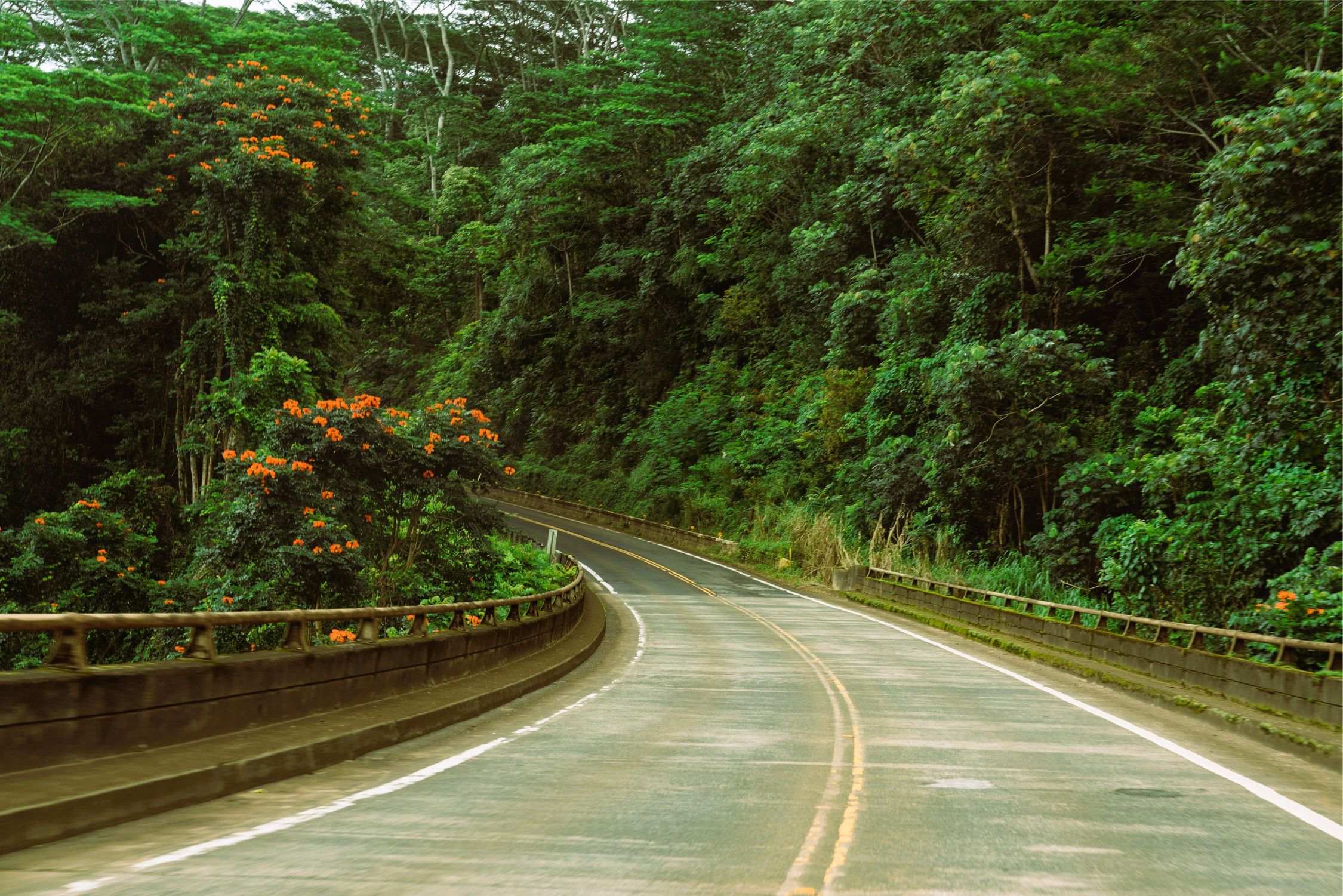
Splitting the journey into two legs changes everything. The drive becomes manageable, the stops become enjoyable, and the arrival at Ranakpur feels earned rather than survived. Instead of endurance travel, the trip starts feeling like a proper escape from city life.
Leg 1 – Gurugram to Midway Stop
The first leg covers the bulk of the distance and is best completed on Day 1. Starting reasonably early from Gurugram around 7 or 8 in the morning. It puts most travellers at their overnight stop by late afternoon, after roughly five to seven hours of driving depending on traffic and break frequency.
The Jaipur, Ajmer, and Beawar belt offers the best range of options for an overnight halt. Jaipur works well for those wanting a shorter first-day drive and a more urban stopover. Ajmer and Beawar suit those who prefer covering more ground on Day 1 and keeping the next morning relaxed. Both areas have good accommodation availability across different budgets, reliable food options, and easy access to fuel.
The goal of the first leg should not be maximum distance. It should be maintaining energy. Reaching the stopover by evening, having a relaxed dinner, and getting proper rest makes the next morning significantly more enjoyable.
Leg 2 – Midway Stop to Ranakpur
The second leg usually feels very different from the first – shorter, calmer, and noticeably more scenic.
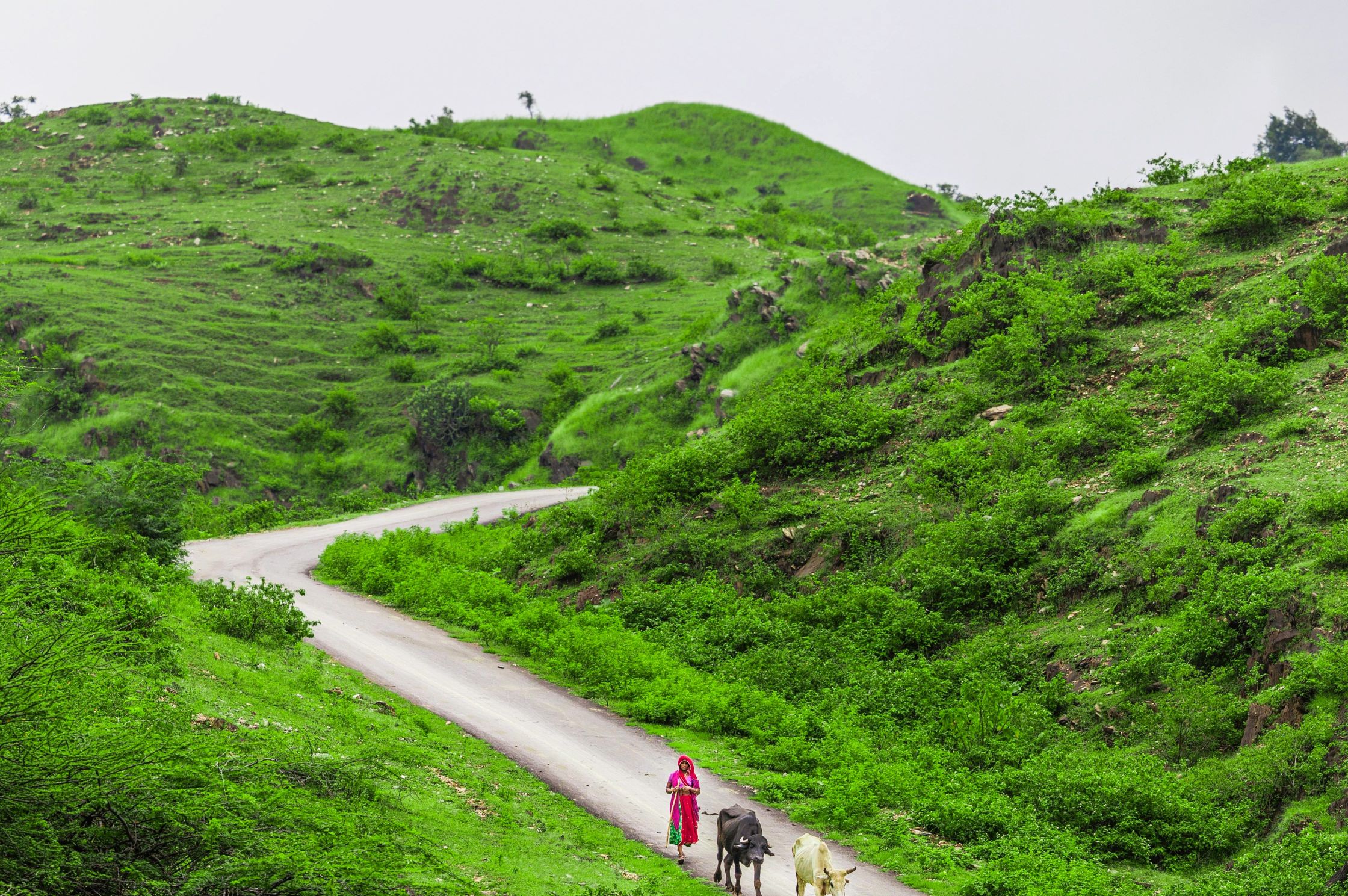
After leaving the busier highway belts behind, the landscape begins to shift. Moving south toward Pali and then into the Aravalli foothills, the terrain becomes greener and more textured. Hills appear in the distance. The flat Rajasthan plains give way to something more enclosed and winding. Roads narrow in places, traffic thins out, and the surroundings start reflecting the quieter character of interior Rajasthan.
This is often the point where the journey starts feeling emotionally different – less like covering ground and more like genuinely going somewhere. Arriving in Ranakpur after this gradual, unhurried transition makes the destination feel far more welcoming than rushing in at the end of a 12-hour marathon.
What Makes the Final Stretch Worth It
The approach to Ranakpur is unlike anything on the earlier portions of the route.
After hours of open highway, the gradual descent into the Aravalli foothills feels like a deliberate deceleration. Trees appear in greater density. The road winds. Villages are small and unhurried. The scale shifts from wide and flat to enclosed and green.
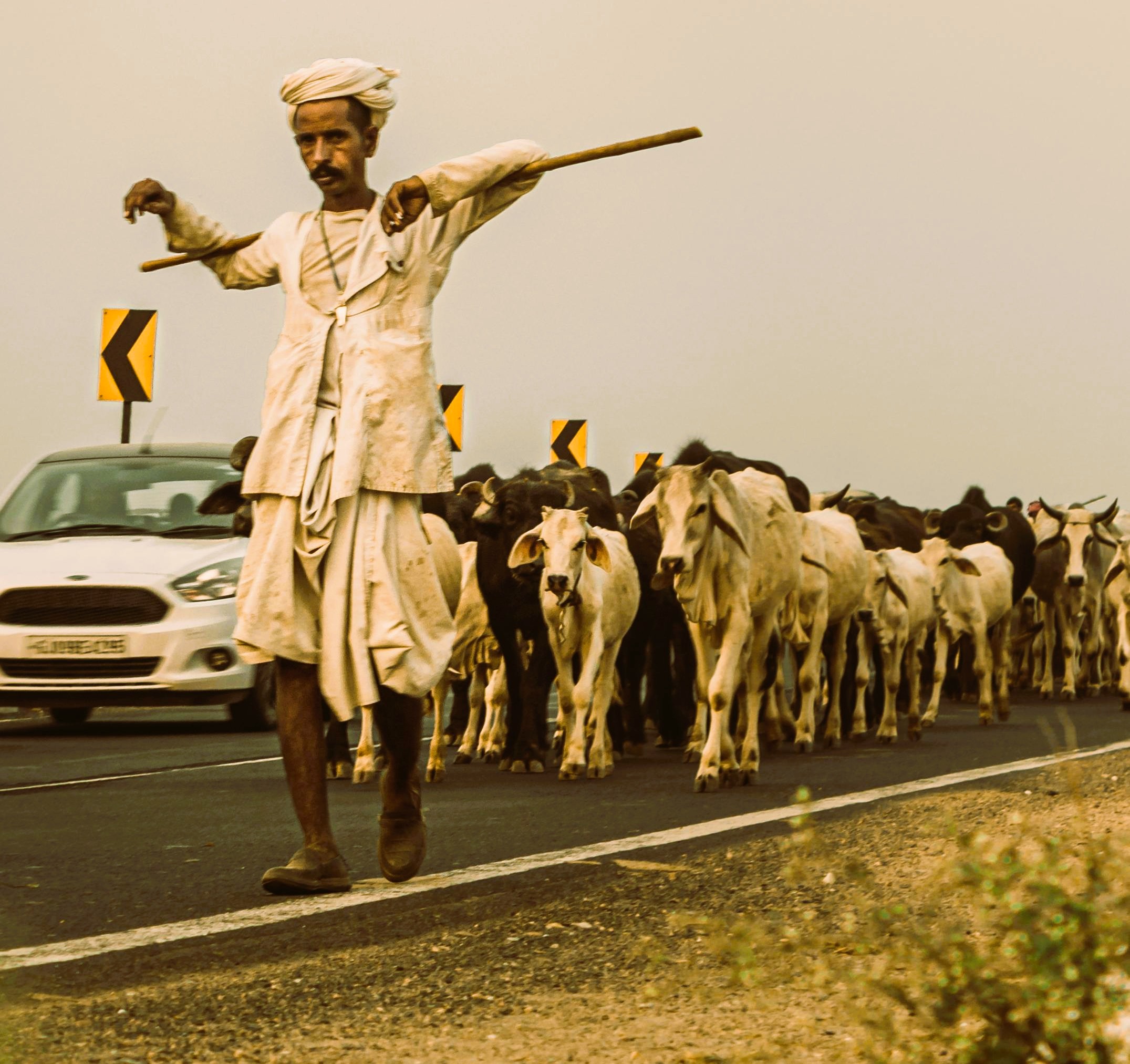
Unlike crowded tourist circuits, Ranakpur does not announce itself loudly. It simply receives you – and after a long drive, that quietness is exactly what makes it memorable.
For many NCR travellers, the appeal is not only the destination but the gradual feeling of distance from city intensity. The journey creates that separation before you even arrive.
What a 3-4 Day Road Trip Could Look Like
One of the reasons this route works well is its flexibility. Travellers do not need a tightly packed itinerary to enjoy the experience but a simple framework is often the better choice.
Day 1 is the drive from Gurugram to a midway stop such as Jaipur, Ajmer, or Beawar. Leave early, take your time on the road, and arrive with enough of the afternoon left to settle in and eat well.
Day 2 covers the shorter second leg to Ranakpur, arriving by early afternoon. The rest of the day is for unwinding – adjusting to the slower pace of the region before doing anything more.
Day 3 is a full day in and around Ranakpur. The area rewards unhurried exploration and benefits from an early start.
Day 4 is the return journey, ideally with a planned midway break or at minimum a long stop, depending on comfort and travel style.
This structure keeps the road trip sustainable rather than exhausting, and avoids the common mistake of spending most of the trip in the car while leaving too little time at the destination.
Who this road trip is best suited for
A Delhi to Ranakpur road trip is not designed for travellers looking for a rushed overnight escape. It suits people who genuinely enjoy the process of travelling by road.

Couples looking for a meaningful getaway will find this drive rewarding. The long road provides uninterrupted time together, and the destination – quiet and removed from urban density – suits a slower pace of travel.
Families comfortable with long drives will handle this trip without difficulty. The two-leg structure keeps daily driving reasonable, and overnight stops in larger towns cover everything a family needs along the way.
Friend groups will appreciate the scale. A journey of this distance creates shared moments – highway breaks, changing landscapes, overnight stopovers – that shorter trips rarely deliver.
Travellers tired of the same NCR weekend circuits will find Ranakpur genuinely different. It is not a curated tourist zone. It has a character that takes real distance to reach, and that is precisely what makes it worthwhile.
Best Time to Plan This Road Trip
Weather plays an important role in how comfortable this drive feels, and the window for this trip is wider than many people assume.
October through March is the most comfortable period. Temperatures are manageable, roads are dry, and long stretches behind the wheel do not feel punishing. November and February are particularly well-suited – pleasant weather, good visibility, and warm winter light across the Aravalli landscape. Several long weekends fall within this stretch, making planning easier for those with limited leave.
April and May grow progressively harder as heat builds across Rajasthan. The drive remains doable, but fatigue sets in faster.
July through September brings rainfall to the Aravalli region. The landscape turns green and striking, but road conditions can be unpredictable. Extra buffer time is advisable.
Conclusion
Ranakpur is not the closest destination from Gurugram, but that distance is part of what makes it rewarding. With a sensible two-leg approach, the drive becomes far more comfortable than most travellers expect. The first leg covers the ground. The second leg delivers the scenery. And the gradual shift from NCR expressways to a quiet Aravalli valley is a large part of what makes the whole journey memorable. Some destinations are worth the drive. This is one of them.
Useful Links
Ranakpur–Jawai–Kumbhalgarh Circuit