
Ranakpur vs Kumbhalgarh: planning a Rajasthan break in the Aravallis often comes down to these two destinations. On one side is the magnificent, marble-carved Jain Temple, built in the 15th century. On the other is a hill fort from the same era, wrapped in one of the longest fortification walls in the world.
But the monument is only half the decision. These two destinations sit roughly 45 km apart, and the real question is where to base yourself, because that shapes how much you see, how far you drive each day, and how relaxed the trip feels. This guide compares both on sightseeing, wildlife, activities, stays and access, then shows how to do both in one trip.
Ranakpur vs Kumbhalgarh – At a Glance
| Factor | Ranakpur | Kumbhalgarh |
|---|---|---|
| Main attraction | Adinath Jain Temple (15th century), white marble, 1,444 carved pillars | Kumbhalgarh Fort, with a wall of about 36 km and seven gateways |
| Overall experience | Spiritual, scenic, adventure as well as slow-paced valley setting | Historic, panoramic, hill-top exploration |
| Wildlife | Forested Aravalli surroundings; leopard safaris and bird watching offered locally | Kumbhalgarh Wildlife Sanctuary (a protected forest landscape) surrounding the fort |
| Adventure | Adventure park, zip lining, ATV rides, nature walks | Fort trails, viewpoints, sanctuary walks and treks via local operators |
| Accommodation | Resorts and hotels suited to multi-day, activity-led stays | Heritage-style stays and other resorts close to the fort |
| Best suited for | Families, couples and groups wanting variety plus downtime | Fort-focused and history-driven travellers |
| Nearby excursion | Kumbhalgarh Fort (about 45 km) | Ranakpur Jain Temple (about 45 km) |
Sightseeing – Jain Temple vs Kumbhalgarh Fort
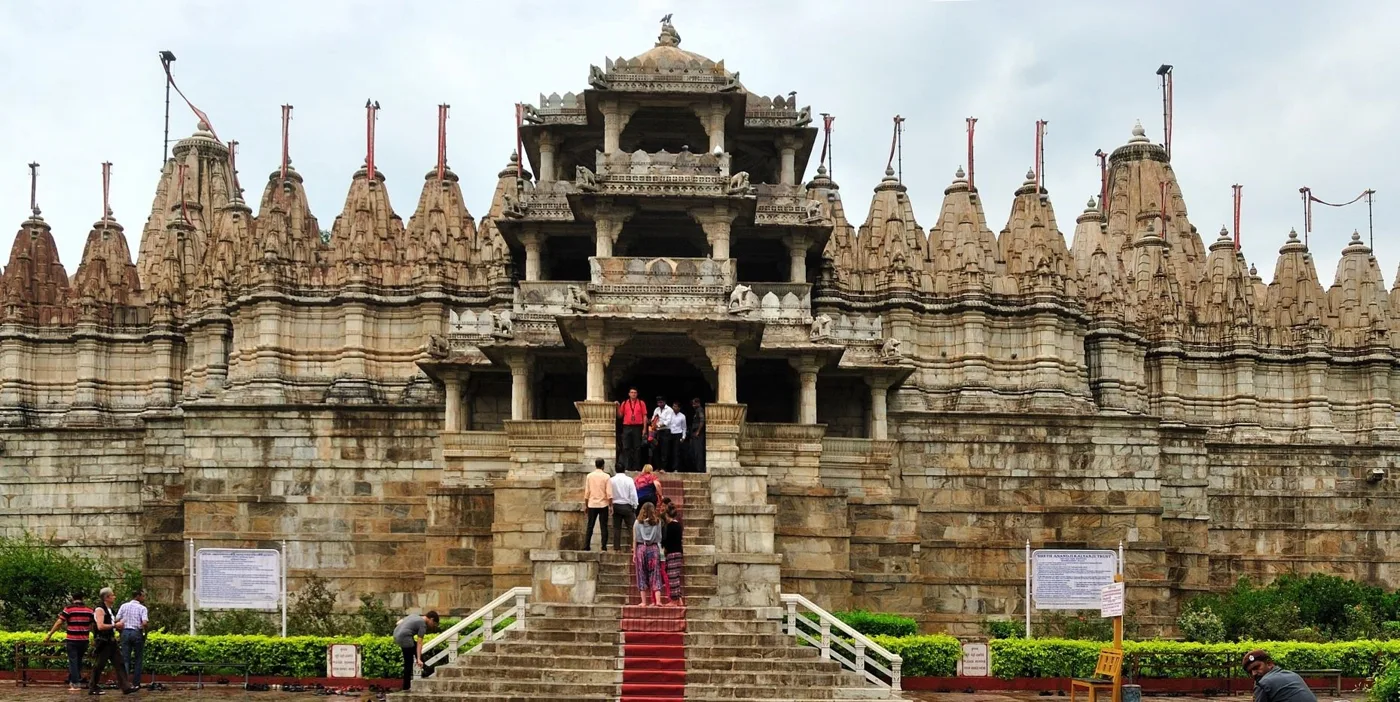
Ranakpur is about quiet craftsmanship. Built in the 15th century and dedicated to Lord Adinath, the first Jain Tirthankara, the main Chaumukha (four-faced) temple is carved almost entirely in pale marble. Its roughly 29 halls rest on 1,444 pillars, and the usual claim is that no two are alike. Expect filtered light, intricate ceilings and a calm that suits slow walking rather than ticking boxes. Most visitors spend one to two hours here. Dress modestly and confirm current visitor hours, entry rules and photography requirements with the temple before you go. Tourist access may differ from worship timings.
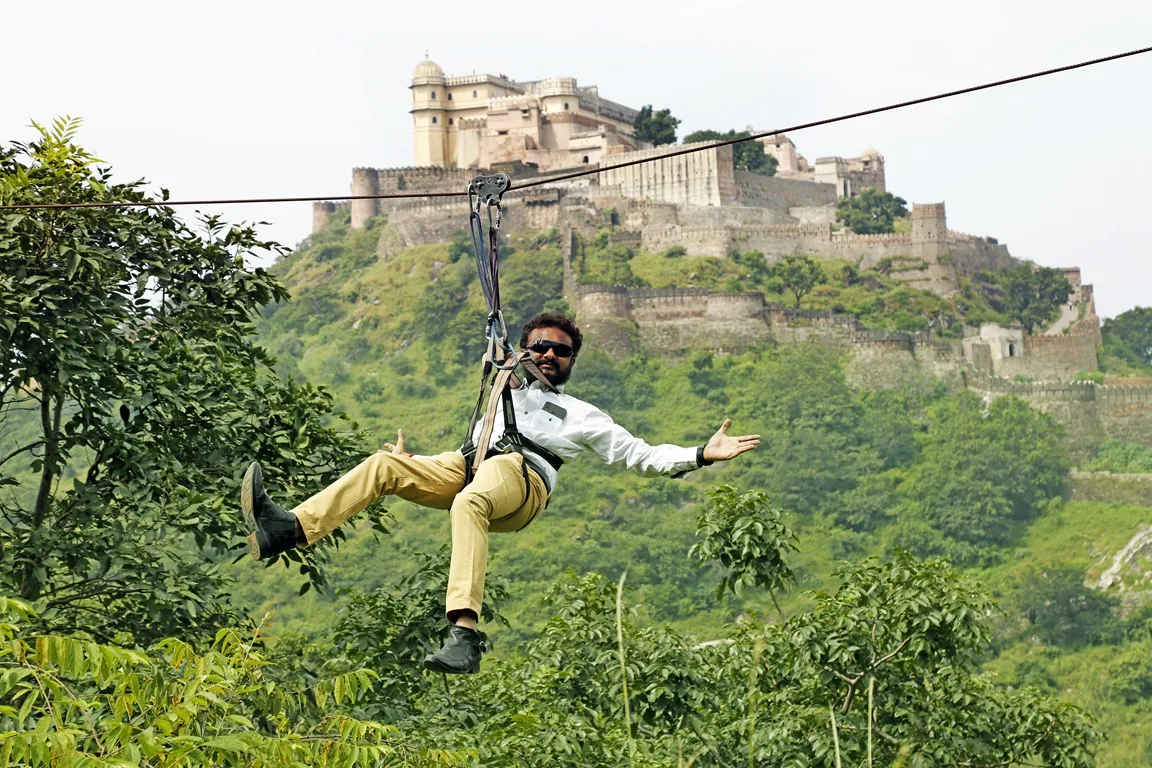
Kumbhalgarh is about scale and story. Built by Rana Kumbha in the 15th century and part of the UNESCO-listed Hill Forts of Rajasthan, it sits at roughly 1,100 metres with a perimeter wall of about 36 km, often compared with the Great Wall of China. Inside are palaces, gateways and a large cluster of temples, with long views over the Aravalli ranges from the upper levels. It is also widely known as the birthplace of Maharana Pratap. The fort is big and involves real walking and climbing, so allow two to three hours at minimum, and a guide helps because signage is limited.

Can you see both? Easily. They complement each other: one is a place of devotion and detail, the other of defence and history. If visiting both in a day, explore the fort in the morning and plan the temple for the afternoon, subject to current visitor access rules.
Nature, Wildlife & Outdoor Experiences
Both destinations sit in the Aravalli hills, so the landscape is a big part of the appeal.
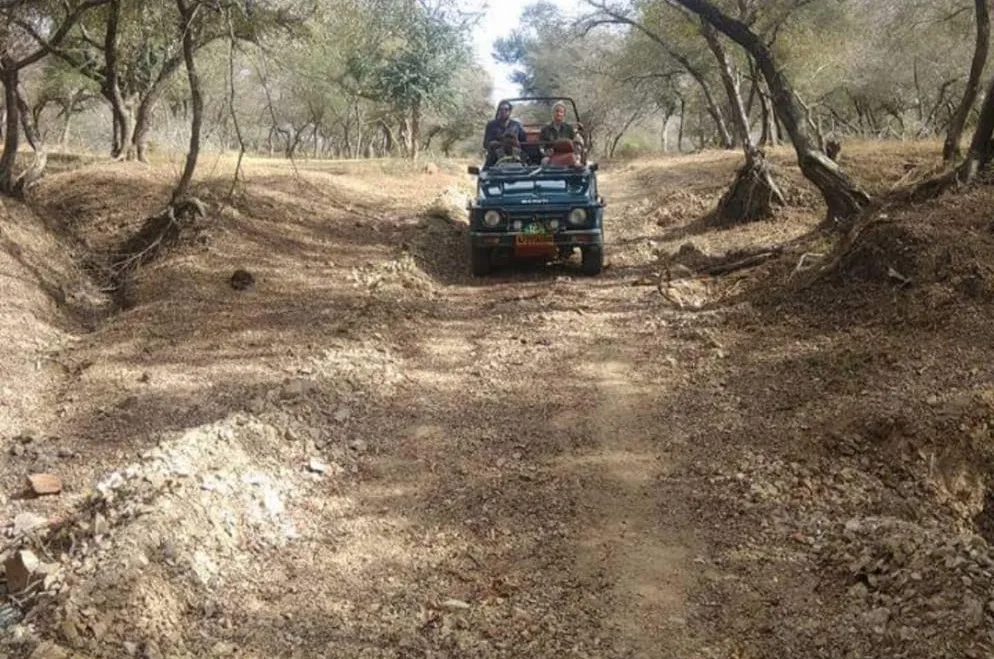
Ranakpur lies in a forested valley, which makes it a good base for people who want greenery as much as monuments. Guided nature walks, bird watching and a local leopard safari add a wild layer to a temple visit. As with any wildlife experience, sightings are never guaranteed, and safari availability depends on season, permissions and the operator.

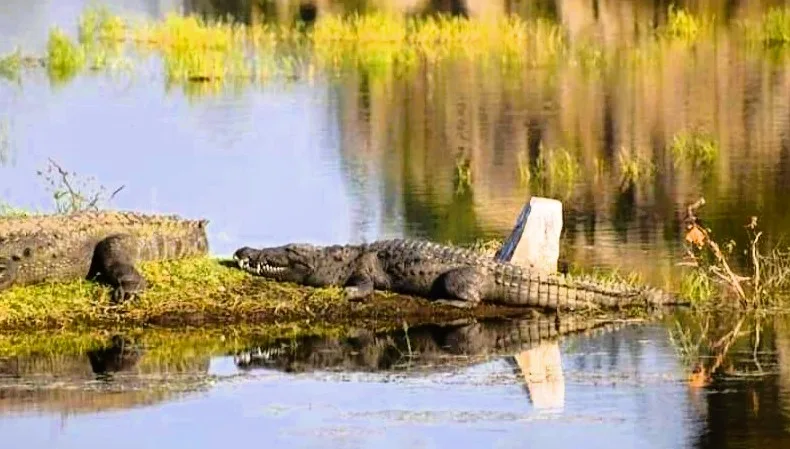
Kumbhalgarh is wrapped by its own wildlife sanctuary, which spreads across the Aravalli range and covers several hundred square kilometres across the Rajsamand, Udaipur and Pali districts. Walking and trekking routes, and in some seasons organised safaris, run through it via local operators. Wildlife commonly reported in this region includes leopards, sloth bears, wolves and a variety of birds, but, again, no operator can promise what you will see.
If nature is your priority, both have plenty to offer. Kumbhalgarh’s strength is the sanctuary itself; Ranakpur combines forest surroundings with resort activities and locally arranged wildlife outings. Sightings vary, so choose an operator for responsible practices rather than promises.
Adventure Activities & Things to Do
In and around Ranakpur, depending on where you stay, you can typically choose from:
- Leopard safari (seasonal, subject to availability)
- Adventure park activities such as zip lining
- ATV rides, target shooting and archery (confirm availability and timings)
- Guided nature walks and bird watching
- A visit to Ranakpur Dam for scenery
- Rural and village experiences, including camel rides at some properties
- The Jain Temple and nearby temples
- Resort activities such as pool time, evening entertainment and lawns for children
In and around Kumbhalgarh, the offering is more heritage-led:
- Exploring the fort, its palaces and its temples
- Walking the walls and climbing to viewpoints
- Sanctuary walks, treks and organised safaris through local operators
- Evening light-and-sound programmes at the fort (check timings, as they vary by season)
Neither list is better in absolute terms. If you want a mix of activities you can pick from across a few days, the Ranakpur side is broader. If one big, memorable fort experience is the point, Kumbhalgarh delivers it.
Hotels & Resorts – Where Should You Stay?
This is where the decision actually gets made. Think in terms of what you want your evenings and mornings to look like, not just what you will see.
Consider staying near Kumbhalgarh if the fort is the single reason for your trip, you want to be at the gates early, or you plan to attend an evening programme at the fort without a long drive back.
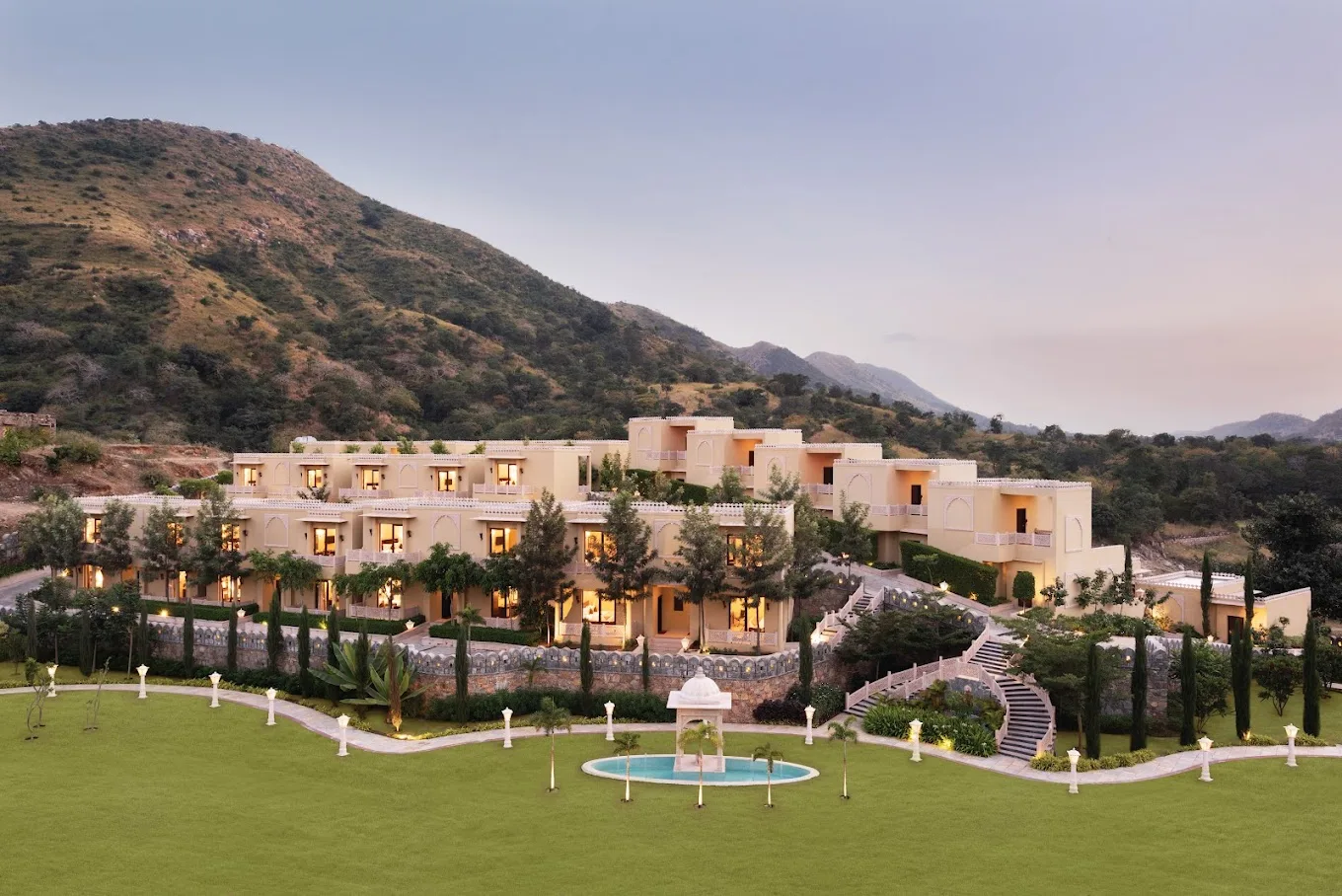
Consider staying near Ranakpur if you want a resort holiday with space to unwind between sightseeing days: pools, lawns, activities for children, and options for couples. Ranakpur works well as a base because the temple is on your doorstep and Kumbhalgarh is a manageable excursion of about 45 km each way. Resorts such as Mana Hotels in Ranakpur are built around that kind of multi-day, family-friendly stay.
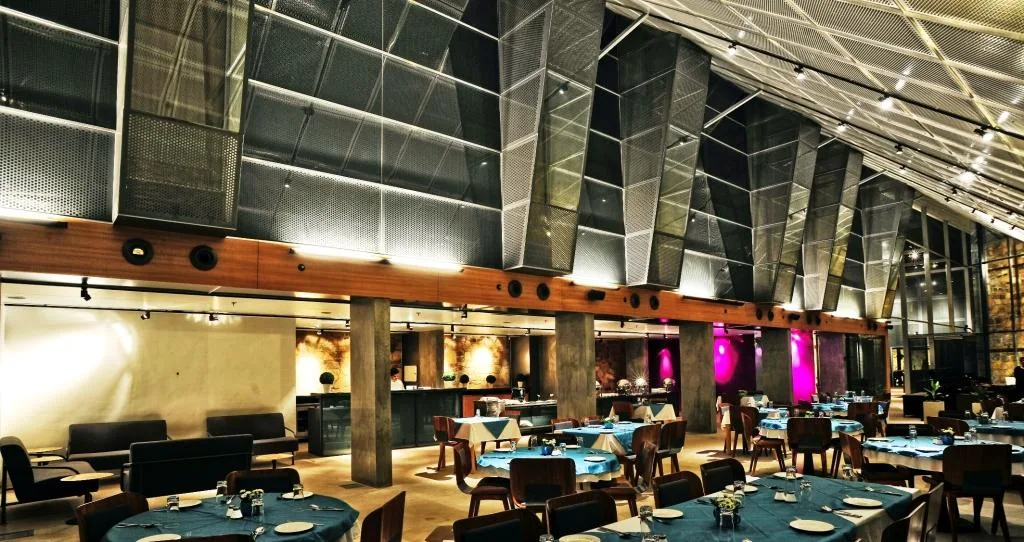
What to compare when choosing any property:
| Question | Why it matters |
|---|---|
| Distance to the temple or fort | Saves time and fatigue, especially with children or seniors |
| Pool, play areas and recreation | Decides whether afternoons are enjoyable or wasted |
| Safari and activity access | Check that bookings can be arranged on arrival |
| Dining options | Remote areas have fewer choices than cities |
| Road access | Hill roads are slower than distance suggests |
Ranakpur suits travellers who want to explore both destinations from a comfortable base, with forest surroundings and time to unwind. Compare actual room rates and facilities rather than assuming either destination offers better value.
Accessibility – Which Destination Is Easier to Reach?
Both destinations are reached by road. Udaipur is the main airport gateway; Falna is a useful railway station for Ranakpur. For Kumbhalgarh, compare onward transfers from Udaipur and Falna. The figures below are approximate road distances and driving times; confirm your exact route before departure.
| Starting City | Distance to Ranakpur | Distance to Kumbhalgarh | Travel Considerations |
|---|---|---|---|
| Udaipur | About 90–95 km (roughly 2 hrs) | About 85–100 km (roughly 2–2.5 hrs) | Nearest airport; both are comfortable day-trip or overnight distances |
| Ahmedabad | About 280–350 km (roughly 5.5–6.5 hrs) | Broadly similar | Popular road-trip route; start early to avoid arriving after dark |
| Jaipur | About 340–360 km (roughly 5.5–6.5 hrs) | About 345 km (similar) | Long drive; an overnight halt on the way is worth considering |
| Jodhpur | About 160 km (roughly 3 hrs) | About 170–200 km (roughly 3.5–4 hrs) | Ranakpur is the easier reach from Jodhpur |
| Delhi / Gurugram | About 600–620 km (roughly 9.5–10 hrs) | Similar | Fly to Udaipur or break the journey rather than drive in one day |
Between the two: Ranakpur to Kumbhalgarh is roughly 45 km, usually one to one and a half hours depending on traffic, stops and the exact start and end point. The route runs through scenic Aravalli countryside, so it is a drive many travellers enjoy rather than endure.
Can You Visit Ranakpur and Kumbhalgarh on the Same Trip?
Yes, and it is the smartest way to approach this decision. You do not have to choose. Staying in Ranakpur and treating Kumbhalgarh as an excursion gives you the temple, the fort, nature and downtime without repacking or switching hotels.
Here is a realistic 2-night / 3-day plan. Adjust for season, daylight and what is available on your dates.
| Day | Plan | Notes |
|---|---|---|
| Day 1 | Arrive in Ranakpur and check in. Lunch, then visit the Jain Temple during confirmed afternoon visitor hours. Evening at the resort. | Keep day one light after the drive. |
| Day 2 | Morning at Ranakpur Dam and the Adventure Park, subject to opening hours. After an early lunch, visit Kumbhalgarh Fort. Return to the hotel for dinner. | Allow 2–3 hours at the fort plus driving time. Confirm closing time and skip the evening show if you prefer to avoid a late return. |
| Day 3 | Early-morning leopard safari, or a nature walk. Breakfast, check out and depart. | Pre-book safaris and confirm timings in advance. |
If you only have one night, do the fort first thing and the temple after noon, then end the day at your resort.
Ranakpur vs Kumbhalgarh for Different Travellers
| Traveller Type | What Matters Most | Which Destination to Consider |
|---|---|---|
| Families with children | Activities, space to run around, a pool, short transfers | Ranakpur as a base, with Kumbhalgarh as a day trip |
| Couples | Privacy, scenery, quiet evenings | Either; Ranakpur for resort relaxation, Kumbhalgarh for a heritage setting |
| Heritage enthusiasts | Architecture, history, guided exploration | Both; Kumbhalgarh for the fort, Ranakpur for temple art |
| Wildlife enthusiasts | Sanctuary access, early-morning outings | Kumbhalgarh for the sanctuary; Ranakpur for safari-plus-resort |
| Adventure seekers | Zip lining, archery, treks | Ranakpur for variety; Kumbhalgarh for trekking and sanctuary routes |
| Weekend travellers | Minimum driving, maximum experience | Ranakpur base with one Kumbhalgarh excursion |
| Senior travellers | Easy access, limited walking | Ranakpur; the fort involves a lot of walking and climbing |
When Is the Best Time to Visit Ranakpur and Kumbhalgarh?
October to March is generally the most comfortable window, with pleasant days and cool evenings, and it suits the fort climb and the temple visit alike. It is also the busiest period, so book stays and safaris early.
April to June is hot. Visit the fort early, confirm afternoon visitor access at the temple, and keep the hottest hours for the pool or indoors.
July to September brings green monsoon landscapes and a very different, scenic feel, particularly for nature lovers and photographers. Rain can disrupt road travel, safaris and outdoor plans, so keep your itinerary flexible.
Match the season to your goal: fort and temple sightseeing is easiest in winter, greenery is best after the rains, and summer works best for short, early-start trips.
Final Verdict – Ranakpur or Kumbhalgarh?
There is no single winner, because the two destinations do different jobs.
Choose Kumbhalgarh if the fort is the heart of your trip and you want to be close to its walls, trails and sanctuary.
Choose Ranakpur if you want a wider mix: heritage, nature, adventure and proper resort relaxation in one place, with the temple on your doorstep.
And remember that you do not have to pick one. The simplest plan for most travellers is to stay in Ranakpur and make a day of Kumbhalgarh Fort, so you get both icons plus time to unwind.
For more planning help, see our guide to reaching Ranakpur and Rajasthan Tourism’s Ranakpur Temple information.